The 7 Biggest Mistakes Beginner Boudoir Photographers Make
Common boudoir mistakes ruining beginner photographers’ work

– 6 min read


Common boudoir mistakes ruining beginner photographers’ work
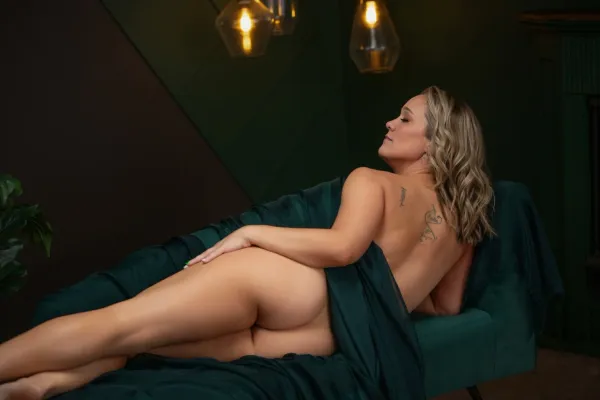
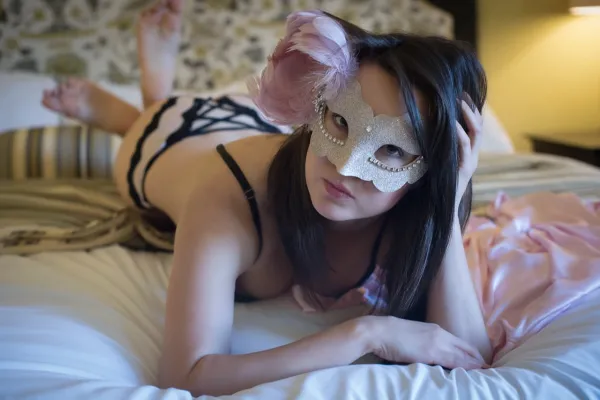
Boudoir photography is one of the fastest-growing genres in the photography industry. Many photographers are drawn to it because it combines artistry, emotional storytelling, and strong business potential. However, beginners often enter this genre without understanding the essential foundations that make boudoir photography truly successful.
Boudoir is not simply photographing someone wearing lingerie. It is a refined art form that relies heavily on posing, lighting, composition, and the overall client experience. When these elements are misunderstood or overlooked, the final images can feel awkward, flat, or uninspiring rather than elegant and sensual.
Photographers who want to excel in this field must treat boudoir photography as a structured craft and invest time in mastering its fundamental principles. At Believe in Boudoir, photographers are guided through these foundations through structured education and specialized courses designed to help them grow both artistically and professionally.
Understanding the most common mistakes beginners make can dramatically accelerate your progress and help you produce stronger, more confident work.
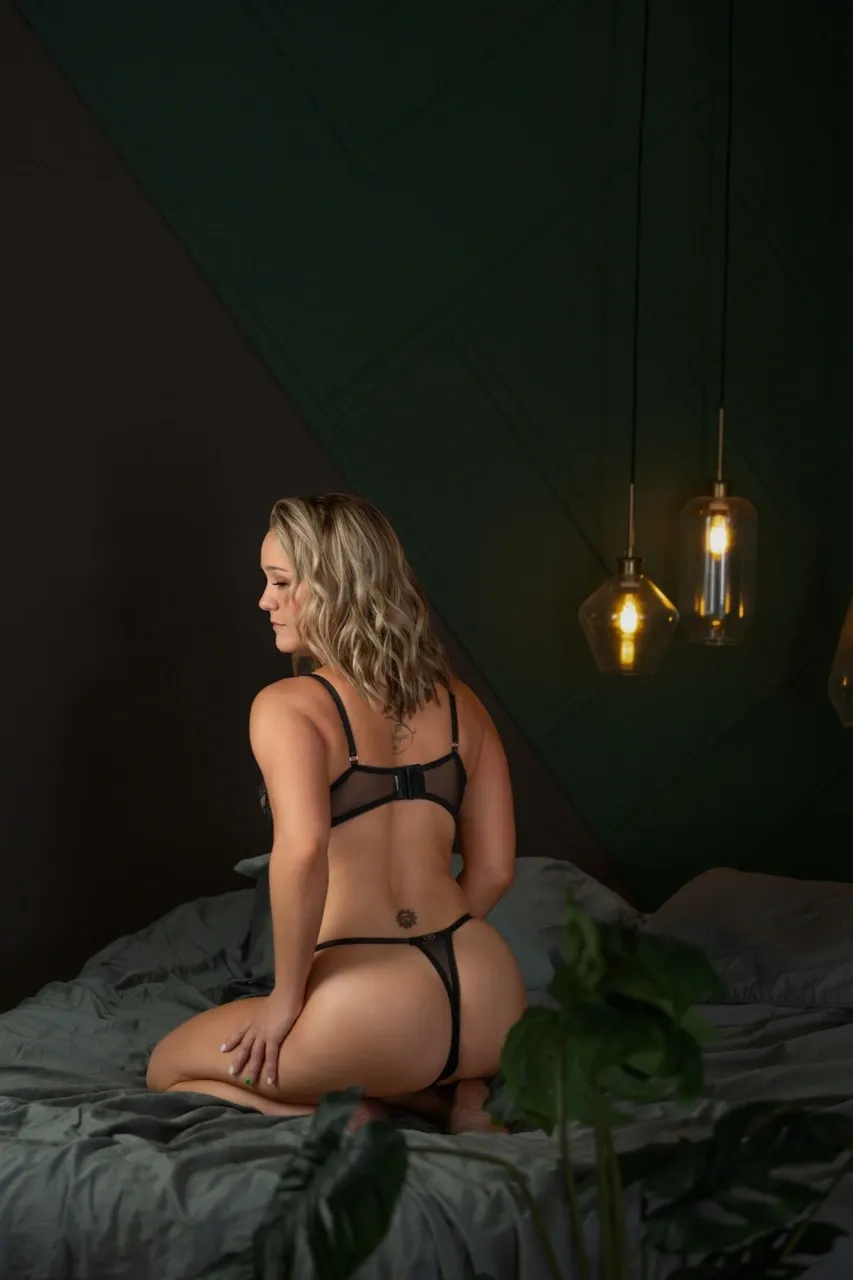
One of the biggest misconceptions beginners have about boudoir photography is the belief that success comes from memorizing a long list of poses. Many photographers spend hours collecting pose cards, Pinterest boards, or screenshots from social media, assuming that copying these poses will automatically lead to beautiful results.
In reality, memorization often leads to stiff and unnatural images. Every client has a different body type, personality, and comfort level. A pose that looks stunning on one person may look awkward or unflattering on another.
Professional boudoir photographers focus instead on understanding the mechanics of posing. They study how each part of the body interacts with light and camera angle. Small adjustments to the shoulders, hips, hands, or head can dramatically change the elegance of a pose.
When you understand posing fundamentals rather than memorizing poses, you gain the freedom to create beautiful images with any client in any environment.
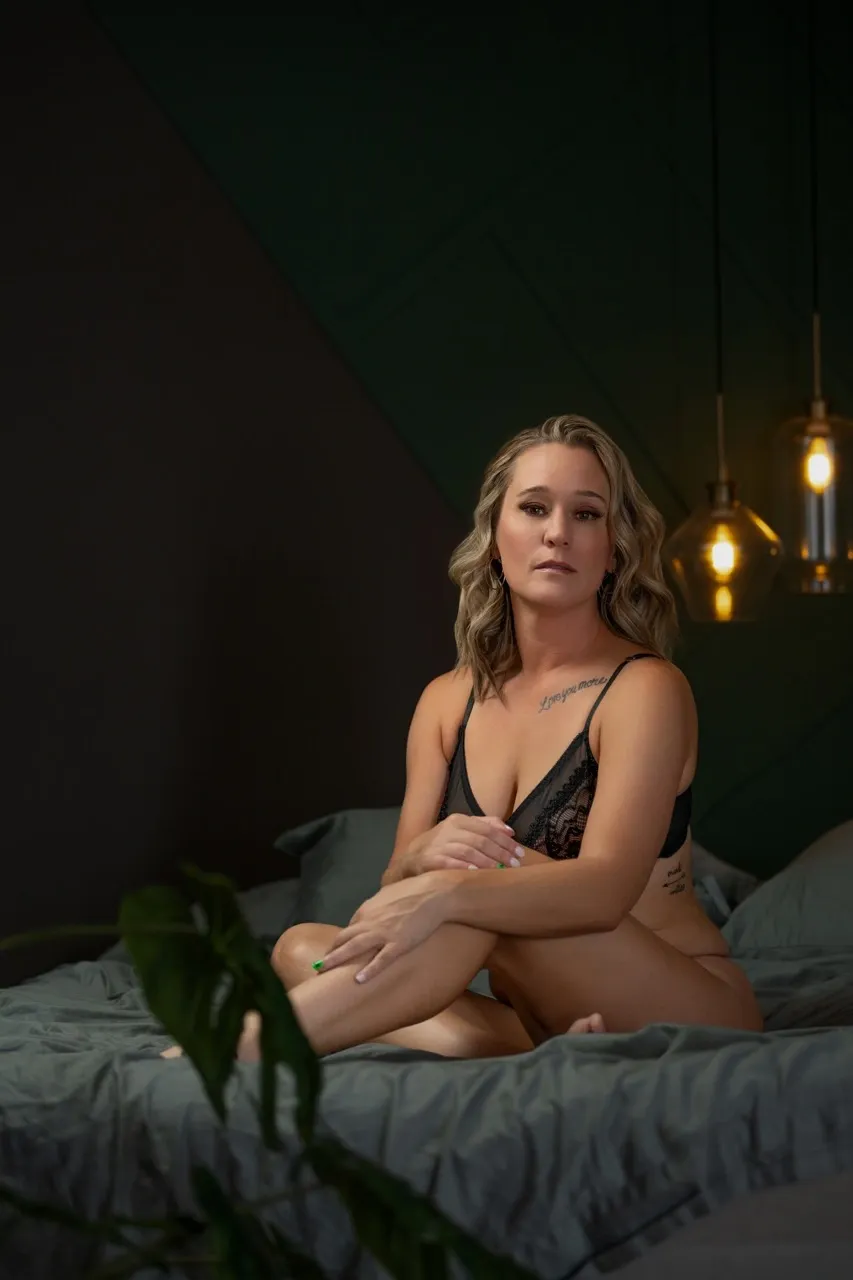
Lighting is the sculpting tool of boudoir photography. It shapes the body, defines curves, and creates the emotional mood of the image.
Many beginner photographers treat lighting as an afterthought. They place lights wherever it is easiest or rely on random ambient light without considering how the light interacts with the subject.
When lighting direction is poorly chosen, the body appears flat and lifeless. Curves disappear, facial features lose dimension, and the photograph lacks depth.
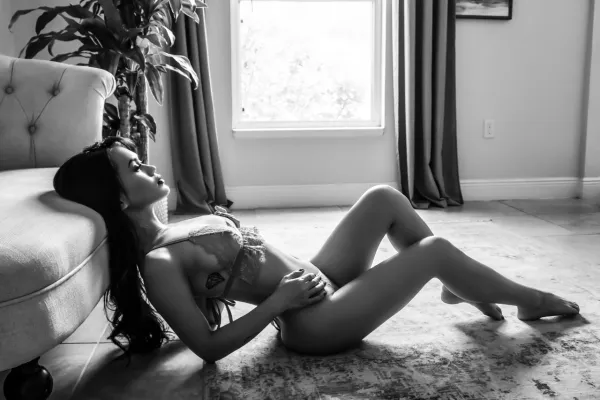
Intentional lighting, even when simple, dramatically elevates a boudoir image. A single window light or a carefully positioned studio light can create striking highlights and shadows that emphasize the elegance of the human form.
Understanding how to shape light across the body is one of the most powerful skills a boudoir photographer can develop.
Watch this free course, "Light The Pose" for boudoir photography to have a better understanding on how lighting and posing work together.
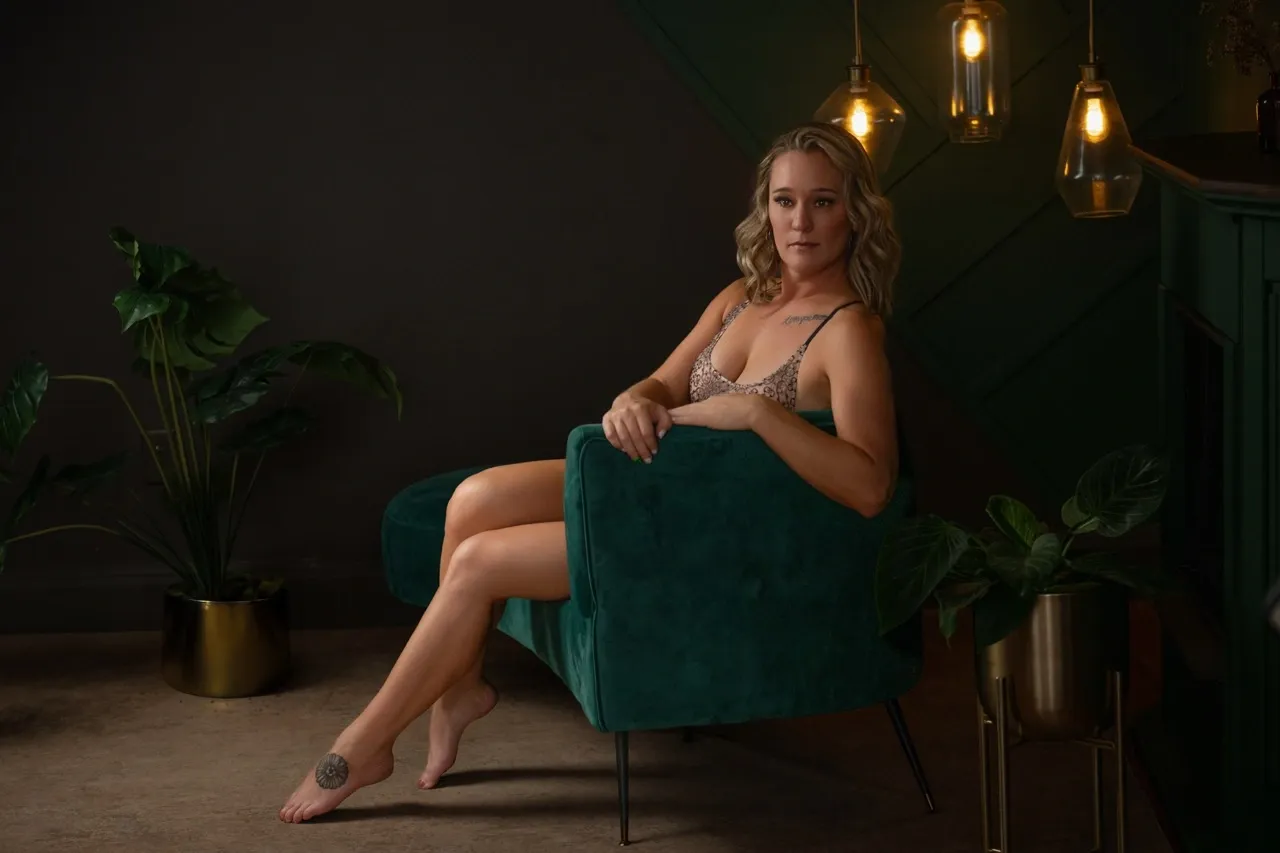
Lens choice plays a crucial role in how the human body appears in a photograph. Many beginners unknowingly use wide-angle lenses because they are convenient or commonly included in camera kits.
Unfortunately, wide lenses can distort the body when used too close to the subject. They exaggerate proportions, making limbs appear larger and bodies look unnatural.
Portrait lenses, such as a 50mm or 85mm lens, tend to produce far more flattering results because they compress the scene slightly and maintain natural proportions. This subtle compression enhances elegance and smoothness in the image.
Distance from the subject is equally important. Shooting slightly farther away and allowing the lens to do the work creates a more refined and flattering photograph.
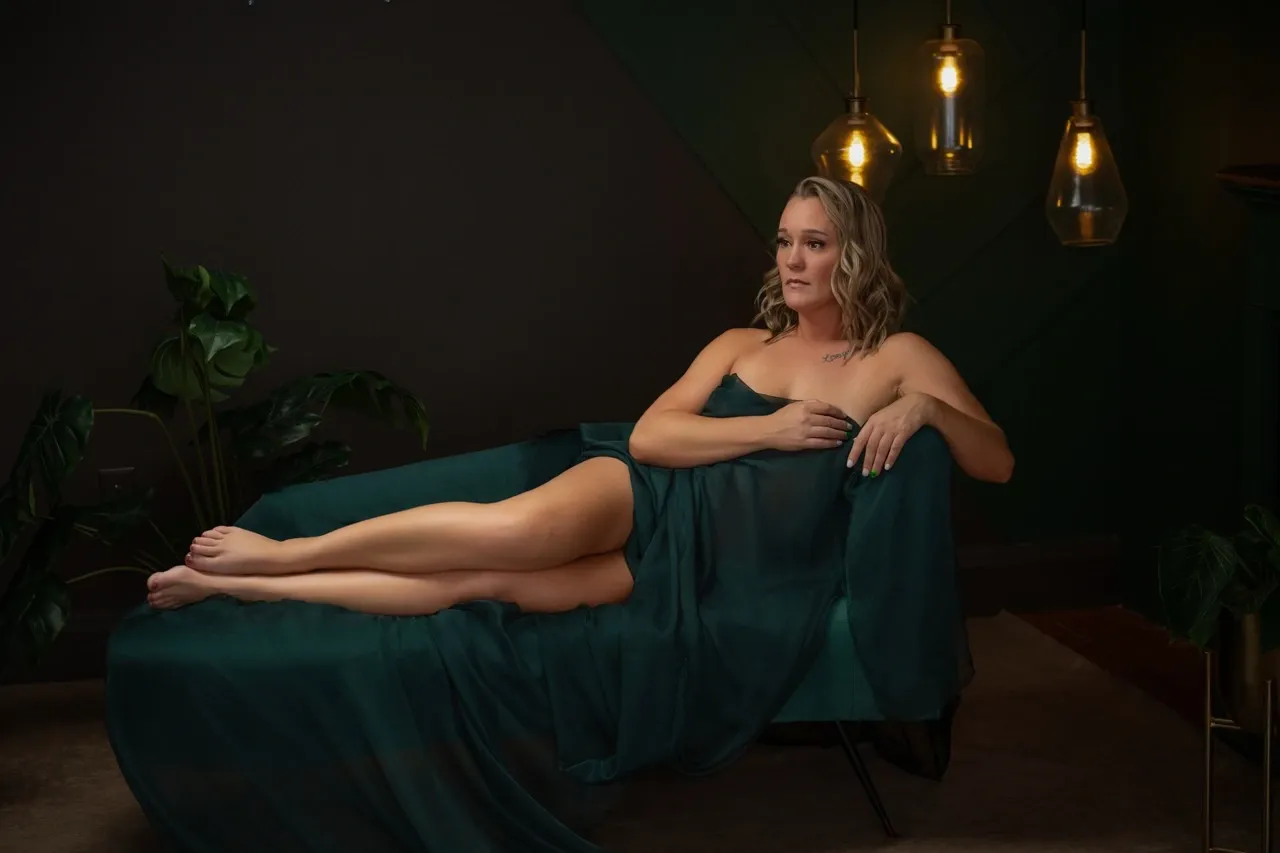
Retouching is an important step in boudoir photography, but it is also one of the areas where beginners often make major mistakes.
With the availability of powerful editing software and AI tools, it can be tempting to smooth skin aggressively and remove every visible imperfection. While this may seem appealing at first glance, excessive retouching quickly removes natural texture and produces an artificial appearance.
Clients want to look beautiful and confident, but they still want to recognize themselves in the final photographs.
Professional retouching focuses on enhancing natural beauty rather than altering reality. Subtle skin corrections, balanced tones, and careful attention to detail preserve authenticity while elevating the overall image.
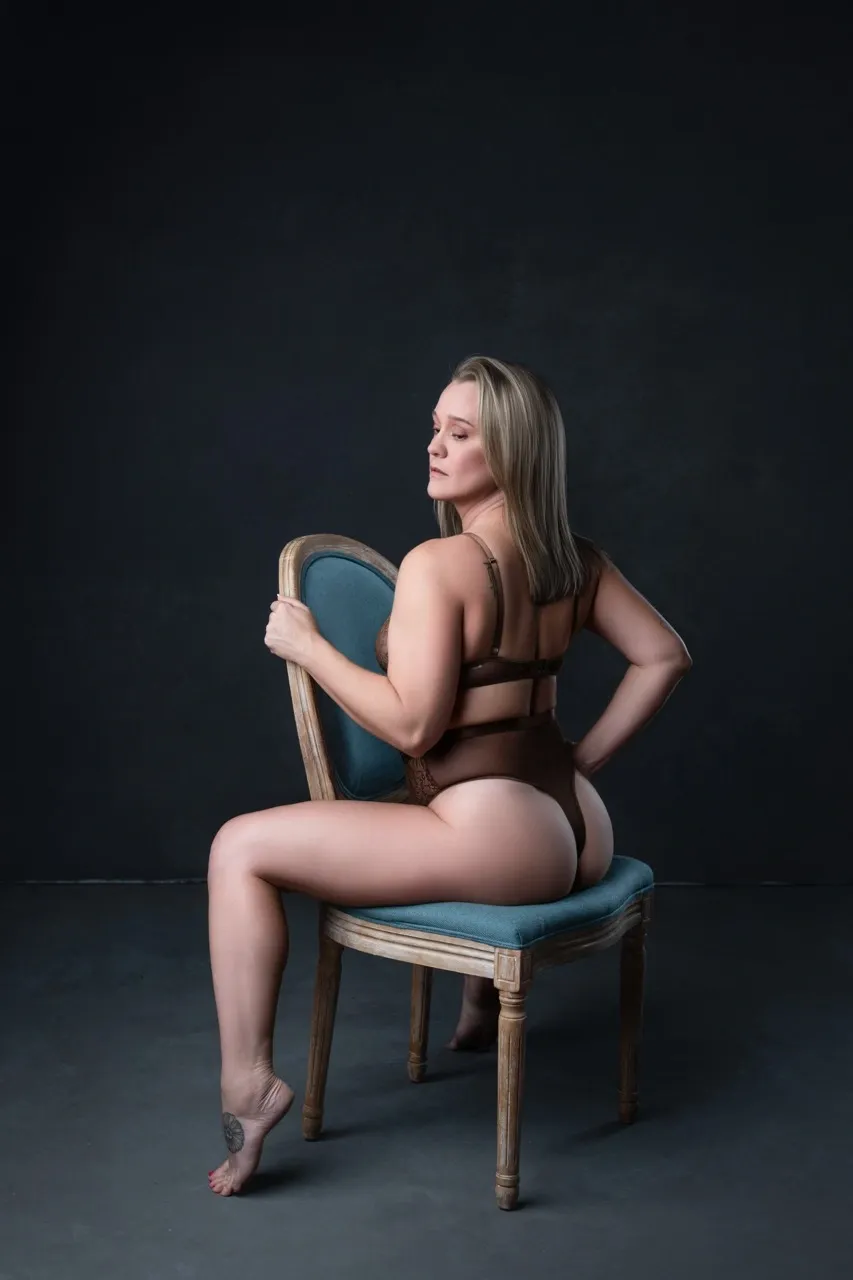
Boudoir photography is not only about the technical aspects of photography. It is also about the emotional experience of the client.
Many clients arrive at their session feeling nervous or unsure about being photographed in such an intimate setting. If the photographer appears uncertain or overly focused on camera settings, that nervousness can quickly grow.
A confident boudoir photographer understands how to guide clients through the entire experience. Clear posing direction, encouraging communication, and a calm professional presence help clients feel comfortable and empowered.
When a client feels safe and confident, their body language changes. Their posture improves, their expressions become natural, and the resulting images feel authentic and powerful.
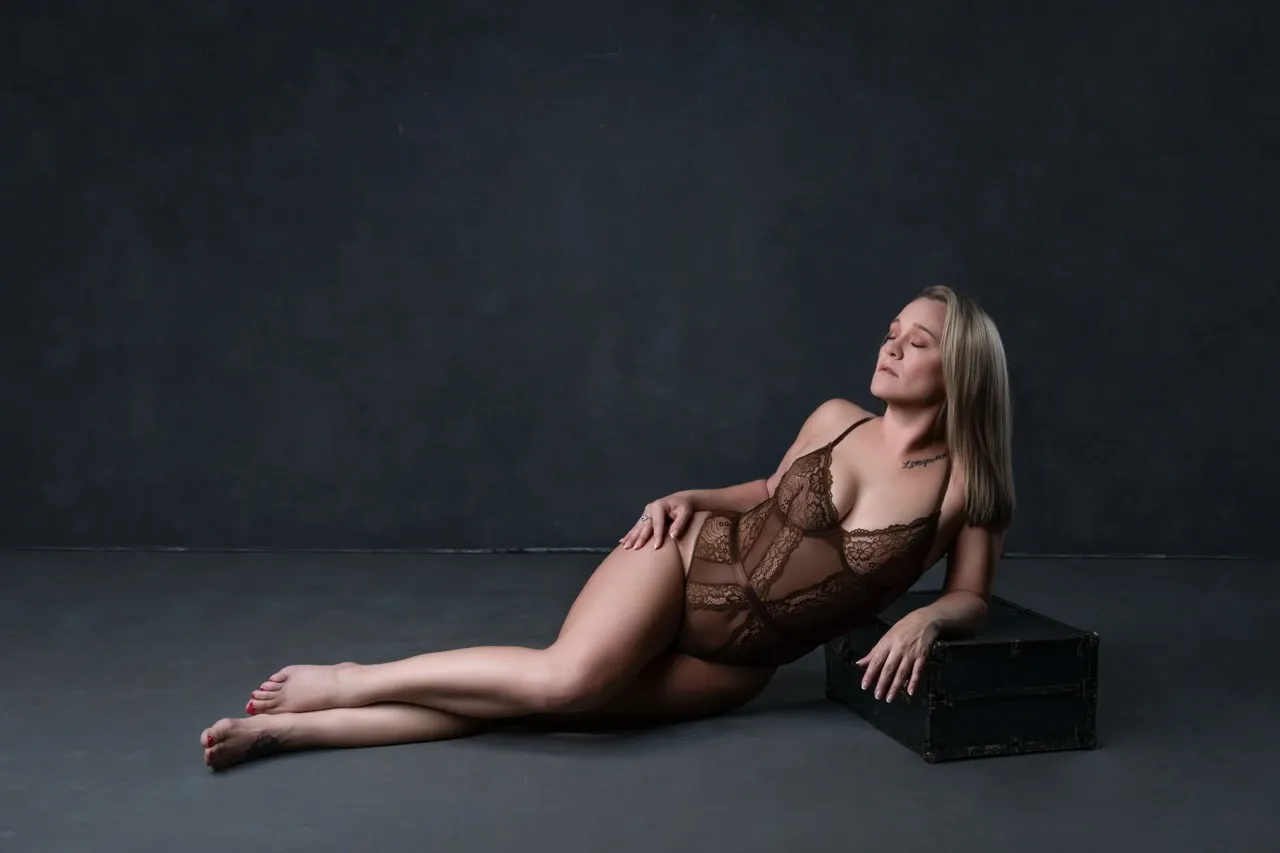
Social media has made it easier than ever to find inspiration. However, it has also created a culture where many photographers simply replicate popular images without understanding the artistic choices behind them.
Copying poses, lighting setups, or editing styles may help beginners learn basic techniques, but it rarely leads to a unique artistic identity.
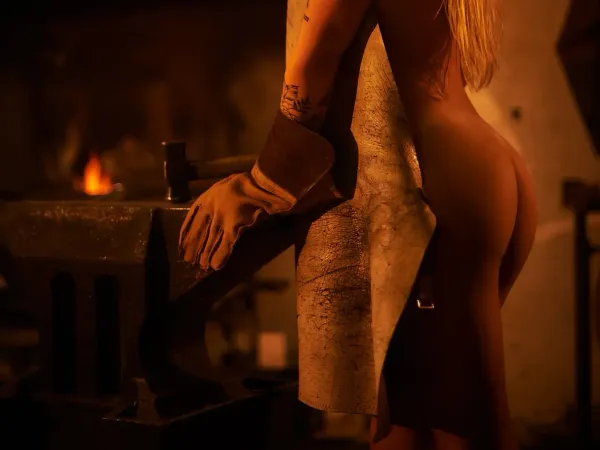
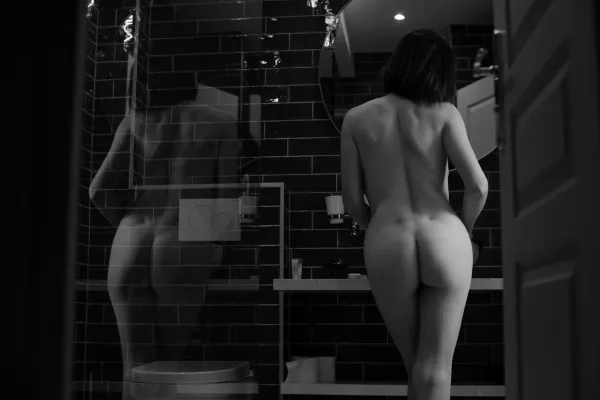
Boudoir photography offers many creative directions. Some photographers specialize in bright and airy images, while others prefer dramatic low-key lighting or fine art nude compositions.
Exploring different styles allows photographers to discover what resonates with their artistic vision. Over time, this experimentation leads to a recognizable and authentic photographic style.
Boudoir itself includes multiple sub-genres such as lifestyle boudoir, bridal boudoir, couple boudoir, and fine art nude photography, each offering unique creative opportunities.
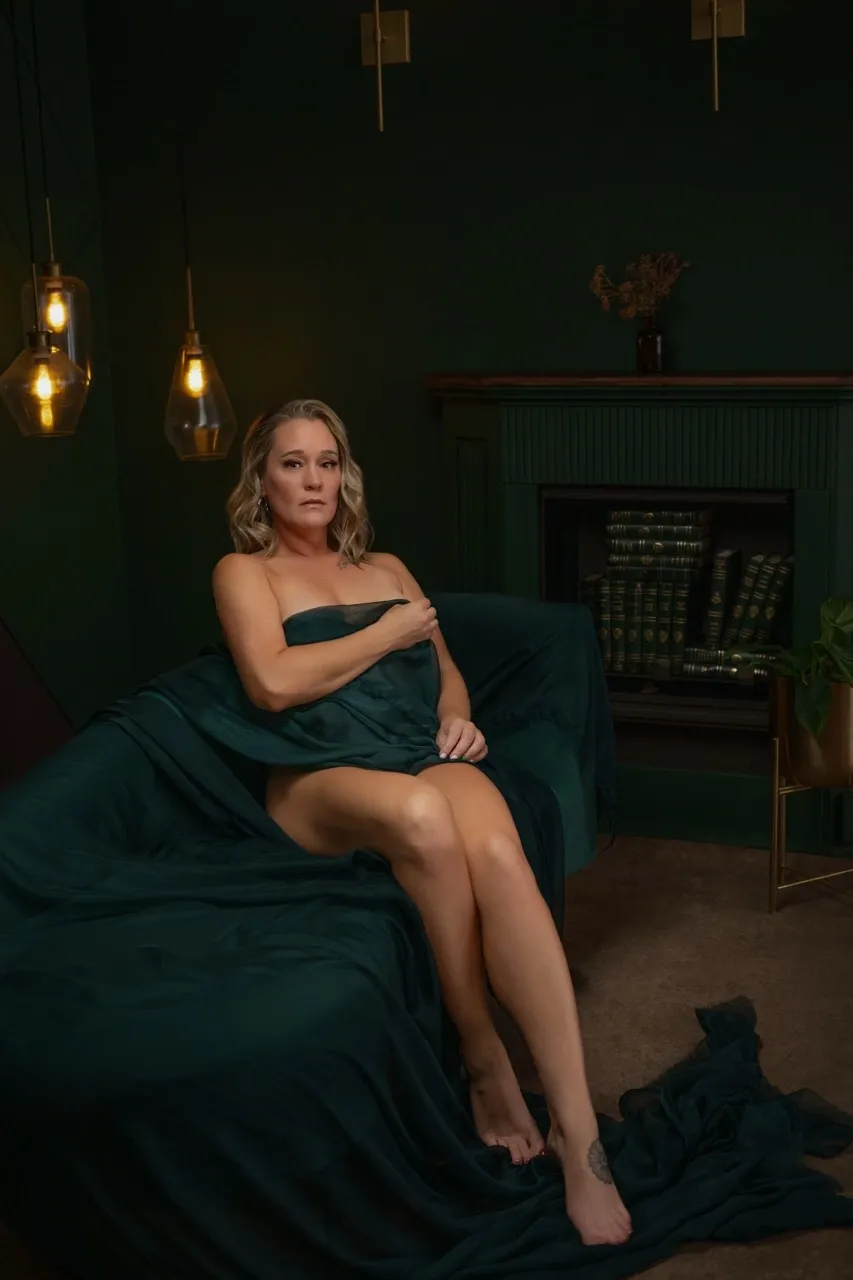
Perhaps the most fundamental mistake beginners make is treating boudoir as simply another type of portrait photography.
While boudoir shares many technical elements with portraiture, the intention behind the images is very different. Boudoir photography requires careful attention to mood, intimacy, and storytelling.
Every detail contributes to the final image. Lighting direction, posing flow, wardrobe choices, and the emotional connection between photographer and client all shape the atmosphere of the session.
Successful boudoir photographers approach each session as a carefully guided experience rather than a simple photo shoot.
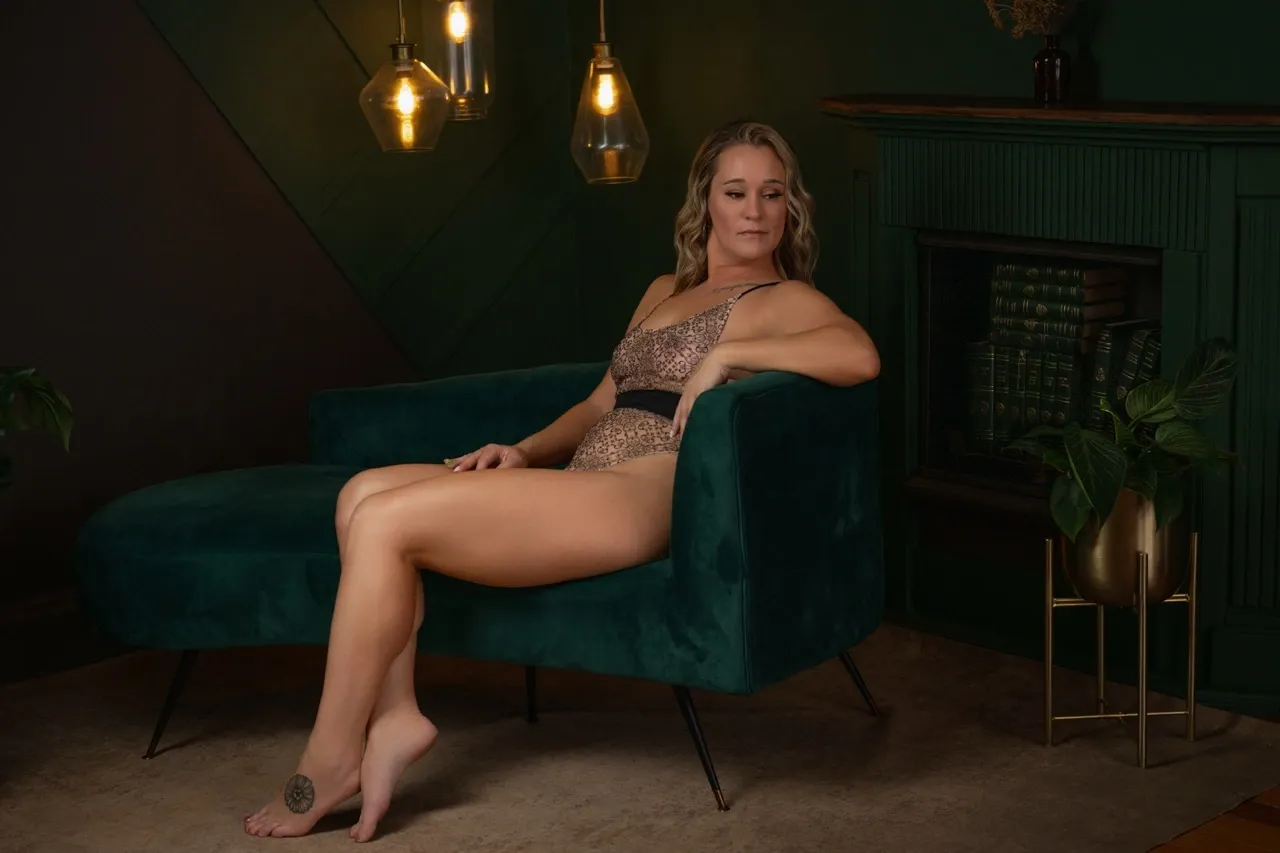
Every photographer encounters challenges when entering a new genre, and boudoir photography is no exception. The mistakes discussed above are extremely common, but they are also powerful learning opportunities.
By focusing on posing fundamentals, understanding how to shape light, refining lens choices, and prioritizing the client experience, photographers can dramatically improve the quality of their work.
Boudoir photography is not just about creating beautiful images. It is about capturing confidence, elegance, and personal expression in a way that leaves a lasting emotional impact on the client.
With the right education and consistent practice, any photographer can transform these early mistakes into the foundation of a successful and rewarding boudoir photography career.

Learn Boudoir Photography on BIB TV