What Are the Best In-Person Boudoir Photography Workshops?
Two Days of Hands-On Boudoir Training Can Save You Years of Learning.
– 10 min read
Two Days of Hands-On Boudoir Training Can Save You Years of Learning.
Boudoir and nude photography are among the most technically and creatively demanding forms of portrait photography. Creating beautiful, professional images requires much more than an expensive camera, an attractive model, or a perfectly arranged studio. It takes an understanding of lighting, posing, composition, the human body, and the ability to confidently direct subjects. Even small adjustments in body positioning or lighting direction can dramatically change the final photograph, which is why specialized education can make such a significant difference in a photographer's development.
With thousands of online courses, YouTube tutorials, posing guides, and photography books available, many photographers wonder whether investing in an in-person workshop is really necessary. Can a few days of hands-on education teach you more than months of independent practice? Will you actually spend time photographing models, or simply watch an instructor demonstrate techniques? And how do you know whether a particular workshop is worth the investment?
The answers often come down to the quality of instruction, the amount of practical experience, and how quickly you can turn new information into skills you can confidently use. Let's explore what makes a great boudoir and nude photography workshop, what you should expect to learn, and how to choose an educational experience that can genuinely transform your photography.
A well-organized, hands-on boudoir photography workshop can be one of the most valuable investments a photographer makes in their professional development. While online courses and tutorials provide useful information, an in-person workshop offers something different: the opportunity to work directly with real models, experiment with professional lighting and posing techniques, and receive immediate feedback from an experienced instructor. Instead of spending months trying to understand why certain images aren't working, photographers can identify mistakes, make adjustments, and see improvements during the same shooting session.
The true value of a workshop isn't measured by how many photographs you take or how elaborate the studio setups look. It's measured by how much you learn and how confidently you can recreate those techniques afterward. A photographer who understands how to control lighting, pose different body types, and direct clients effectively can apply those skills across countless future sessions. When a workshop provides extensive hands-on practice, personalized instruction, and techniques that translate into real-world photography, the educational benefits can extend far beyond the initial investment.
Online education is an excellent resource for learning photography fundamentals, but hands-on training can dramatically accelerate the learning process. Watching someone demonstrate a lighting technique is very different from positioning the light yourself, photographing a model, and understanding exactly why the result looks a certain way. In an in-person workshop, photographers can ask questions the moment something becomes confusing, receive corrections while they're shooting, and immediately apply what they've learned. This continuous interaction between instruction and practice makes complex concepts easier to understand and remember.
For many photographers, a single day of focused, hands-on instruction can produce breakthroughs that might otherwise take months or even a year of independent experimentation. Techniques that once seemed complicated suddenly become clear because students can see, experience, and practice them rather than simply watch demonstrations. Lighting, posing, and composition begin to connect, and photographers develop a stronger understanding of how their creative decisions influence the final image. While online courses remain valuable for ongoing education, the immediate feedback and practical experience of an in-person workshop can help photographers move forward much faster.
A comprehensive boudoir photography workshop should go far beyond teaching a collection of attractive poses. The most valuable programs cover the essential technical and creative skills required to produce professional boudoir and nude photography, including studio lighting, posing, composition, camera angles, body positioning, and confident model direction. Photographers should learn how to adapt these techniques to different subjects rather than simply memorizing lighting diagrams or recreating an instructor's photographs.
Equally important is the opportunity to practice. Students should work directly with real models, experiment with different lighting arrangements, and receive feedback while shooting. A strong workshop teaches photographers how to recognize flattering body angles, correct posing mistakes, control shadows, and communicate clearly with subjects who may have little or no modeling experience. The goal should be to develop an understanding of the principles behind successful photographs so students can confidently apply those skills in their own studios, regardless of the equipment, location, or client.
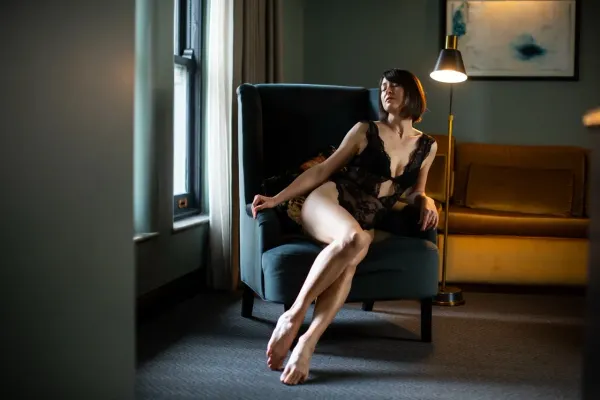
Lighting and posing are the foundation of successful boudoir and fine art nude photography. Together, they determine how the human body appears, which features receive attention, and whether an image feels elegant, sensual, dramatic, or artistic. A beautiful pose can lose its impact under unflattering lighting, while perfectly positioned lighting cannot always compensate for awkward body positioning. Understanding how these two elements work together is essential for creating consistently professional results.
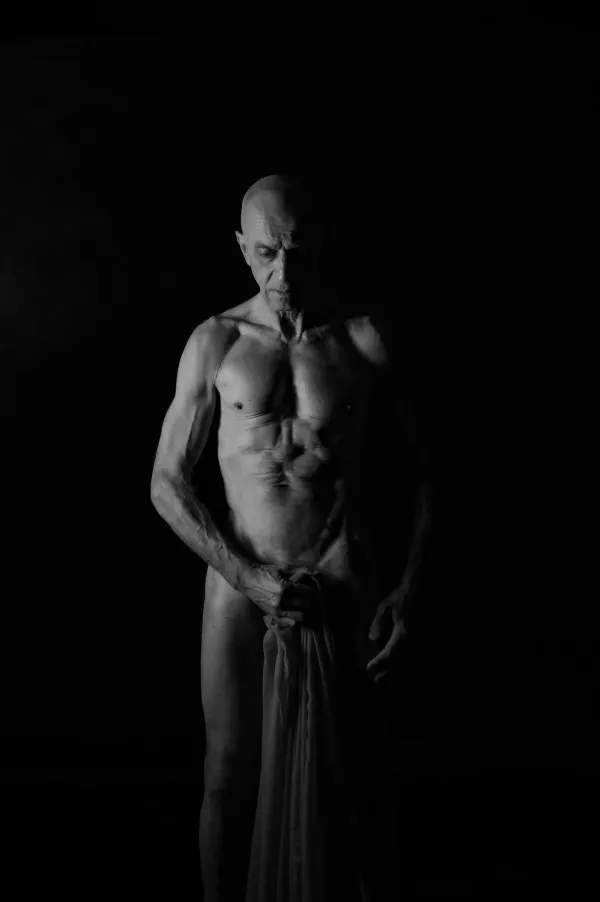
In a quality workshop, photographers learn how light direction, contrast, shadows, and highlights influence body shape, while also exploring the details of professional posing, including posture, weight distribution, hand placement, facial angles, and natural body lines. Students should have opportunities to experiment with these techniques and observe how even small adjustments can completely transform an image. This practical understanding is especially valuable when photographing different body types, male and female subjects, couples, or fine art nude compositions, where lighting and posing often require different approaches.
One of the greatest advantages of attending a hands-on boudoir photography workshop is the opportunity to build or expand a professional portfolio. Creating a diverse collection of boudoir images independently can require considerable time, planning, and expense, particularly when organizing models, locations, lighting setups, and different creative concepts. A well-organized workshop brings these elements together, allowing photographers to concentrate on practicing techniques and producing photographs across a range of styles.
For photographers entering the boudoir industry, this experience can provide valuable opportunities to create images that demonstrate their developing abilities. Established photographers can also benefit by exploring genres they haven't previously offered, such as male boudoir, couples photography, or fine art nude. However, not every workshop provides the same level of individual shooting time or image usage rights. Before registering, photographers should confirm whether they can direct models themselves and whether the resulting photographs may be used in portfolios, websites, social media, or commercial marketing under the applicable model-release agreements.
The number of participants can make a significant difference in the quality of a photography workshop. In larger events, students may spend much of their time waiting to photograph models, competing for shooting positions, or struggling to receive meaningful feedback from the instructor. Even when the demonstrations are excellent, limited individual practice can make it difficult to fully understand and retain the techniques being taught. A smaller workshop creates more opportunities for photographers to participate actively, ask questions, experiment with lighting, and receive personalized guidance.
Small-group instruction is particularly valuable in boudoir photography because posing and lighting often require subtle adjustments that are best understood through direct experience. When an instructor can observe a student's work, identify mistakes, and explain how to correct them immediately, the learning process becomes more efficient. Photographers also gain more confidence when they have time to direct models themselves rather than simply photograph poses arranged by someone else. For this reason, workshops with limited enrollment and substantial hands-on shooting time can provide a much more meaningful educational experience.
Choosing the right instructor is one of the most important decisions when investing in a photography workshop. A beautiful photography portfolio demonstrates artistic ability, but being a talented photographer doesn't automatically make someone an effective educator. A qualified instructor should be able to explain techniques clearly, demonstrate practical solutions, identify mistakes, and help students understand why certain lighting, posing, and compositional decisions work. Experience teaching photographers at different skill levels is particularly valuable because students often need different types of guidance.
Before registering, research the instructor's professional background, teaching experience, previous workshops, and student testimonials. Look for behind-the-scenes photographs or videos that demonstrate how the workshops are conducted, and review images created by previous participants whenever possible. It's also worth asking how much individual instruction is included, whether students can work directly with models, and whether the techniques taught can be recreated in their own studios. The best instructor isn't simply someone who produces impressive photographs, but someone who can help other photographers understand how to create them independently.
Boudoir photography workshops can benefit beginners as well as experienced photographers, provided the educational program matches their existing knowledge and goals. Beginners often struggle with lighting, posing, and directing subjects because they haven't yet developed the experience to recognize what works and what doesn't. A structured, hands-on workshop can help them establish a strong foundation while avoiding common mistakes that might otherwise take months or years to identify through independent practice. With an instructor available to demonstrate techniques and provide immediate corrections, concepts that initially seem overwhelming can become much easier to understand.
Photographers transitioning from portrait, wedding, or fashion photography may find specialized boudoir workshops particularly useful because they already understand their cameras but need to develop skills specific to intimate portraiture. Experienced boudoir photographers can also benefit by refining their lighting, expanding their posing knowledge, or exploring new genres. Although a basic understanding of camera settings is generally recommended, the most important qualities participants can bring are curiosity, a willingness to practice, and openness to feedback. A single workshop cannot replace years of professional experience, but it can provide a significant boost in knowledge, confidence, and technical ability.
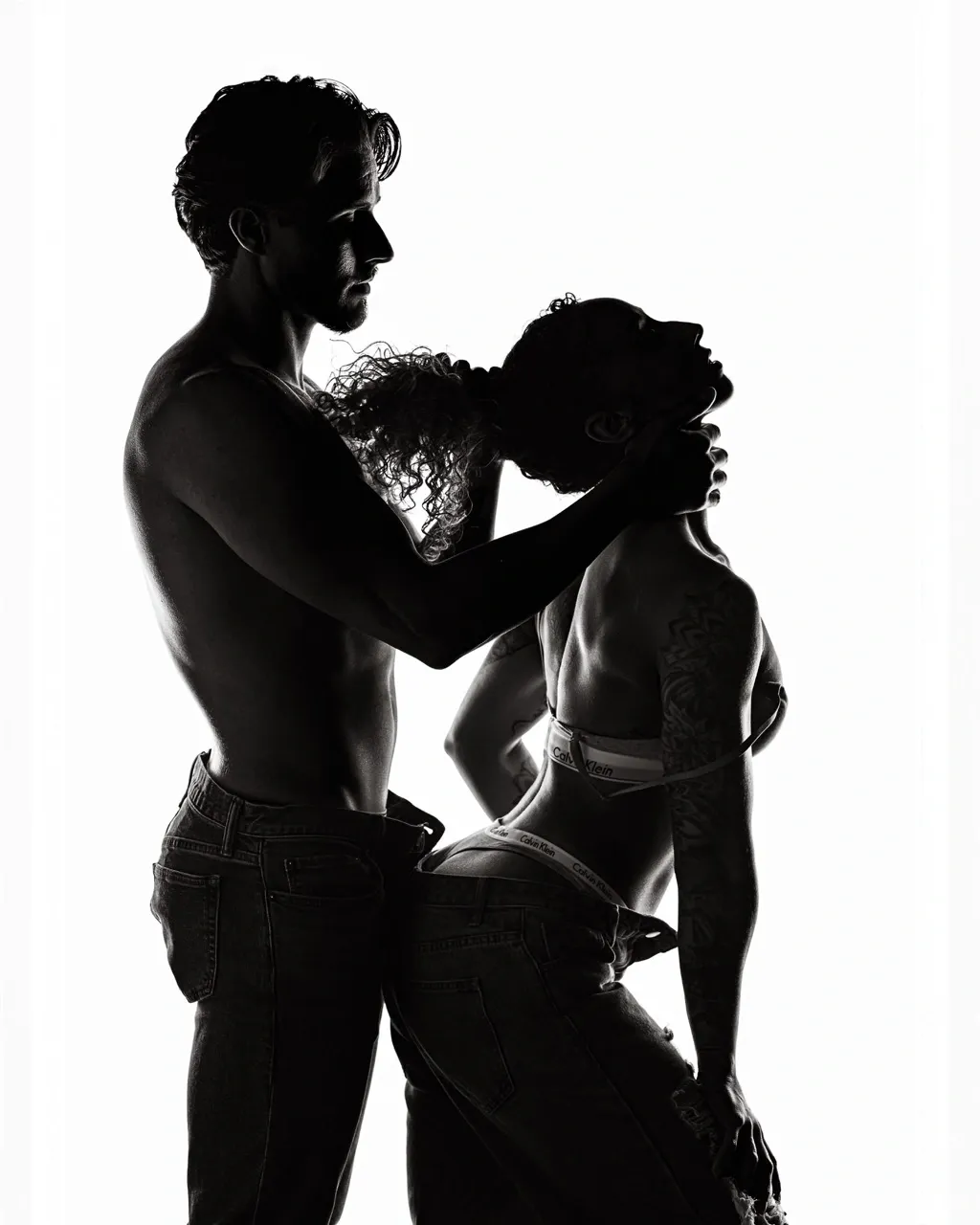
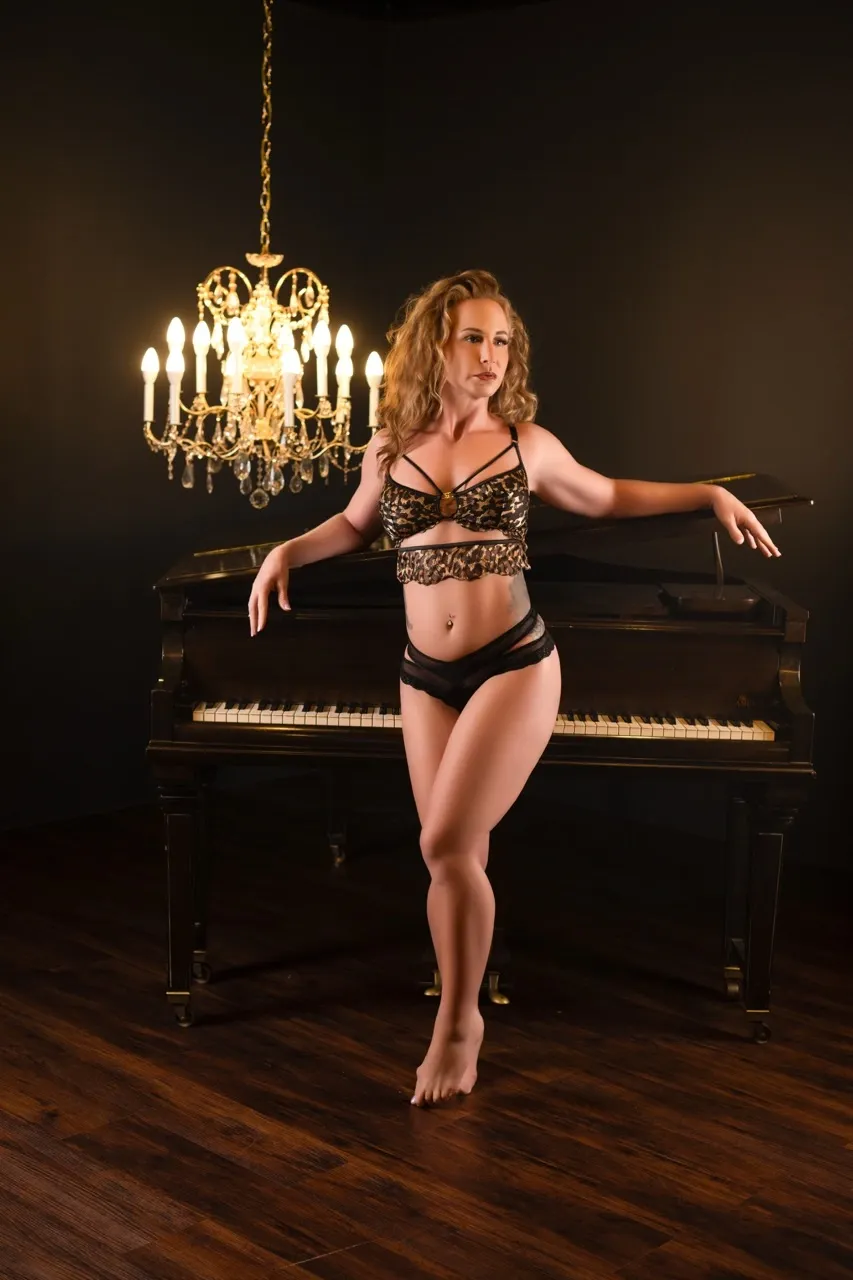
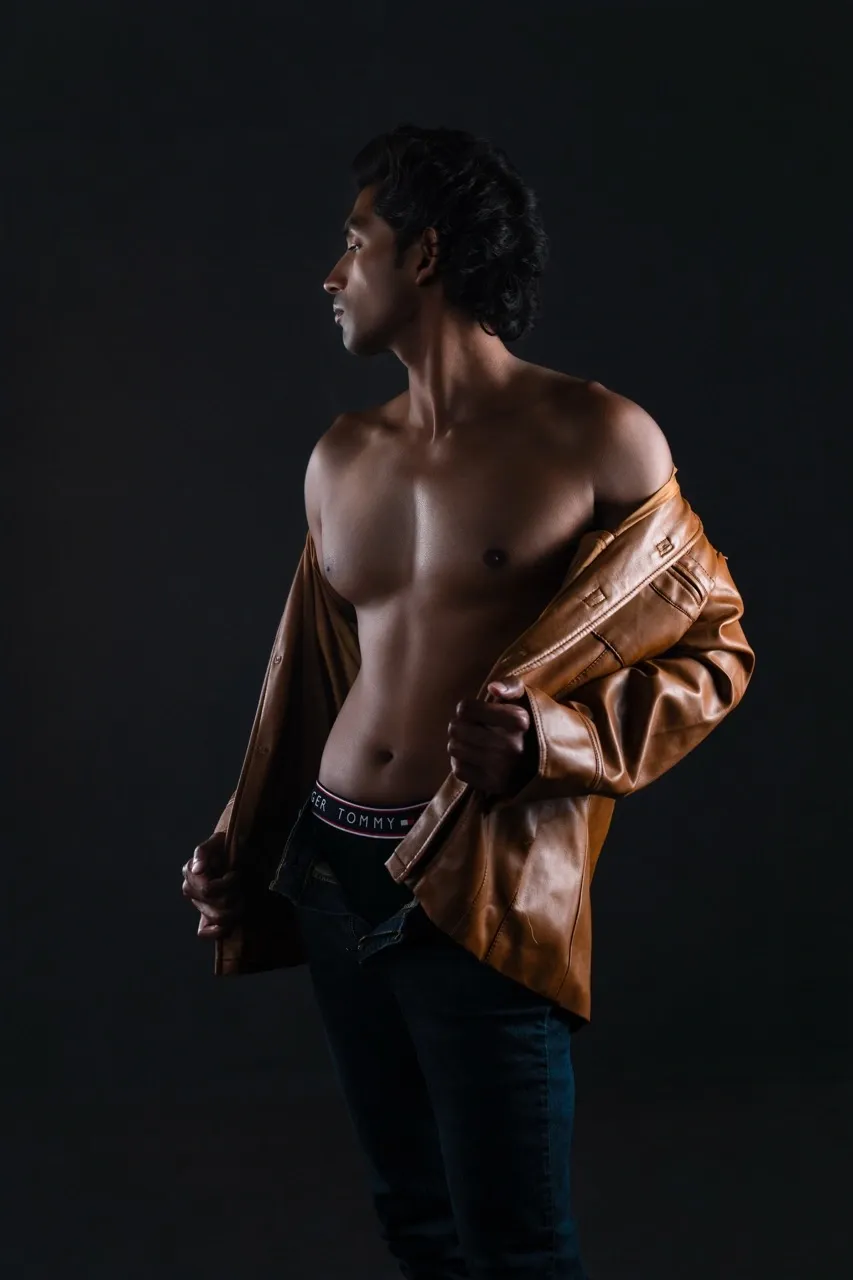
Although female boudoir, male boudoir, couples photography, and fine art nude share many fundamental techniques, each genre requires a different approach to lighting, posing, composition, and subject direction. Female boudoir often emphasizes flattering curves, elegant body lines, and expressive posing, while male boudoir may explore stronger geometric shapes, muscle definition, structure, and different forms of sensuality. Learning to adapt lighting and posing techniques to each subject helps photographers create more intentional images rather than relying on the same poses for everyone.
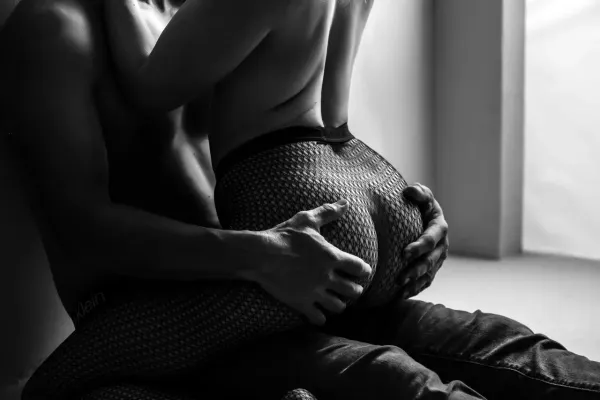
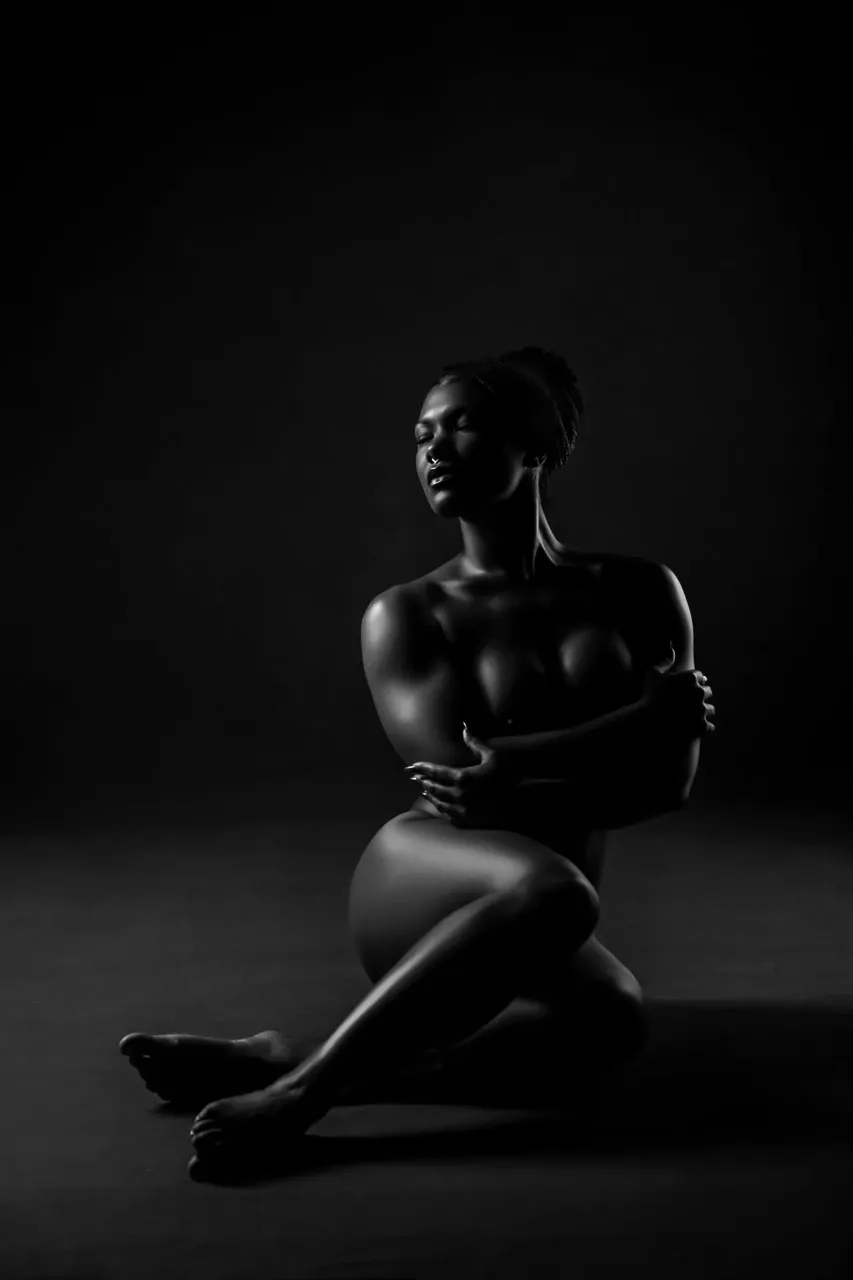
Couples boudoir introduces the challenge of directing two people simultaneously while creating natural intimacy and visual harmony. Photographers must consider how bodies interact, where hands and faces are positioned, and how lighting affects both subjects. Fine art nude and bodyscape photography take a more artistic approach, emphasizing the human body's shape, texture, curves, and relationship with light and shadow. Bodyscape photography can transform portions of the body into abstract compositions resembling landscapes or sculptures. Exploring all four genres allows photographers to broaden their creative abilities, develop more versatile portfolios, and discover new opportunities within intimate portrait photography.
In-person boudoir photography workshops are offered through specialized photography studios, independent educators, and professional photography organizations throughout the United States. However, finding a workshop that combines professional lighting, posing, extensive hands-on shooting, multiple boudoir genres, and personalized instruction can be more challenging. Photographers should look for programs that prioritize practical experience with real models and provide enough individual attention to make the education meaningful.
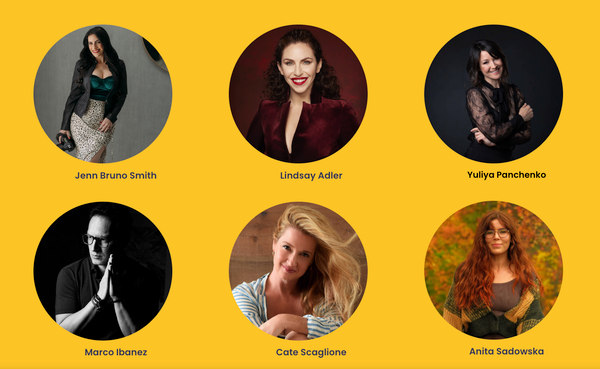
One such opportunity is the annual Boudoir & Nude Photography Workshop hosted by Believe in Boudoir in the Orlando, Florida, area, led by internationally recognized photographer and educator Yuliya Panchenko. Having conducted more than 70 photography workshops internationally, Yuliya has developed extensive experience teaching photographers the technical and artistic principles of boudoir and fine art nude photography. Her workshops have become highly sought-after educational experiences, attracting photographers from across the United States and internationally, with limited seats frequently selling out shortly after registration opens.
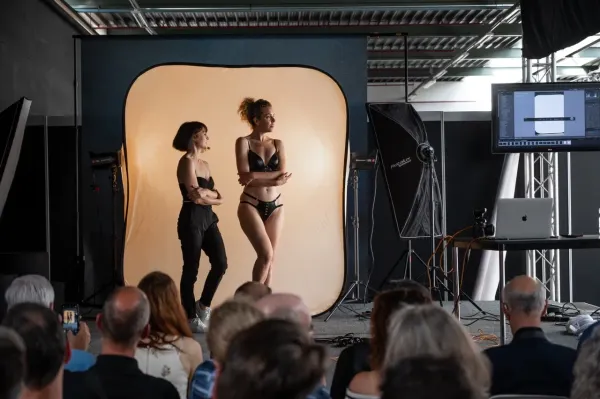
The annual Orlando event combines four specialized workshops into two intensive days, covering female boudoir, male boudoir, couples boudoir, and fine art nude with bodyscape photography. Throughout the event, participants work directly with real models while learning professional lighting, posing, composition, camera angles, and model direction. Unlike lecture-heavy events, the emphasis is on extensive photography time, practical experimentation, and immediate, on-the-spot feedback from Yuliya. Attendance is strictly limited to 10 photographers, creating a small-group environment designed to maximize individual attention and meaningful learning opportunities.
The Boudoir & Nude Photography Workshop with Yuliya Panchenko takes place once a year, typically around early May, in the greater Orlando, Florida, area. This exclusive two-day event attracts photographers from across the United States and internationally, many of whom plan their travel specifically to attend. By combining female boudoir, male boudoir, couples boudoir, and fine art nude with bodyscape photography into one weekend, the workshop offers an opportunity to develop a wide range of technical and artistic skills without attending multiple separate events.
Because enrollment is strictly limited to 10 photographers, the workshop is highly competitive, and available seats frequently sell out shortly after registration opens. Photographers interested in attending are encouraged to check the official Believe in Boudoir website for upcoming dates, current pricing, availability, and registration details. The website also provides opportunities to explore previous workshops, view student experiences, and learn more about the educational programs offered by Yuliya Panchenko.
EXPLORE UPCOMING WORKSHOPS & REGISTER
Photographers interested in learning directly from Yuliya Panchenko have several opportunities to attend her in-person photography education, including professional photography conventions, specialized group workshops, and private one-on-one photography mentorships. Each format offers a different learning experience depending on the photographer's skill level, educational goals, and preference for individual instruction. Photography conventions are a great way to attend Yuliya's presentations and demonstrations, discover her approach to boudoir lighting and posing, and gain valuable insights alongside other photography professionals. These events are particularly useful for photographers who want to explore new techniques and connect with the broader photography community.
For photographers seeking more extensive practical experience, Yuliya's in-person boudoir and nude photography workshops provide the opportunity to work directly with professional models, practice lighting and posing techniques, and receive immediate feedback. Her annual Orlando workshop combines four specialized photography genres into an intensive two-day experience, with enrollment limited to just 10 photographers. Alternatively, photographers looking for highly personalized instruction can explore private one-on-one workshops, where the educational experience can be tailored to their specific challenges, creative interests, and professional goals. Whether attending a convention, joining a small-group workshop, or booking private instruction, photographers can choose the learning environment that best supports their development.
A great boudoir photography workshop offers much more than the opportunity to photograph beautiful models or add new images to a portfolio. It provides an environment where photographers can connect theory with practical experience, understand how lighting and posing work together, develop confidence directing subjects, and receive guidance that helps them improve more quickly than they might through independent experimentation alone.
Whether you're beginning your journey into boudoir photography or looking to expand your expertise into male boudoir, couples photography, or fine art nude, choosing the right educational experience can make a meaningful difference in your development. Prioritize experienced instructors, small groups, real models, extensive shooting time, and immediate feedback. The greatest return on a photography workshop isn't simply the images you create during the event—it's the knowledge, confidence, and creative independence you carry into every session afterward.