The 6 Stages of Couples Boudoir Photography
The Final Stage Changes Everything.

– 11 min read


The Final Stage Changes Everything.
A complete 60–90-minute photography experience, from casual portraits to intimate moments and an artistic cooldown.
Couples boudoir photography requires much more than placing two people together and asking them to look romantic. A successful session should feel like a carefully guided experience where couples gradually become comfortable, confident, playful, and connected. The photographer must understand how to transition between different moods, adjust posing and lighting for two people, and create an environment where both partners feel comfortable expressing themselves. Without a clear structure, sessions can become repetitive, awkward, or rushed, especially when the photographer isn't experienced in directing couples.
Over the years, I've developed a six-stage approach to couples boudoir photography that helps create a natural progression throughout the session. We begin with casual portraits, introduce sophisticated and glamorous imagery, move into playful lifestyle photography, explore more intimate and sensual styles when appropriate, and finish with an artistic cooldown. The entire photographic experience typically takes 60–90 minutes, depending on the couple's preferences, comfort levels, and the complexity of the setups. Each stage serves a specific purpose, and understanding how they work together can help photographers create a more complete experience rather than simply collecting unrelated poses.
The six stages are not a requirement that every couple must complete. Some couples may prefer casual and romantic photography, while others may want to explore intimate, erotic, or artistic nude portraits. The purpose of this approach is to give photographers a framework that can be adapted to different personalities, expectations, and relationships. When the progression is handled correctly, couples can enjoy a variety of photographic styles without feeling pressured, rushed, or uncomfortable.
A successful couples boudoir experience begins long before the couple arrives at the studio. Photographers should understand why the couple is booking and what they hope to experience. Some couples are celebrating anniversaries, engagements, or important milestones, while others want to reconnect, explore their sensuality, enjoy something adventurous, or simply spend quality time together. These motivations influence the photographic style, atmosphere, and level of intimacy the couple may prefer. Understanding their expectations beforehand allows photographers to plan a session that feels personal rather than forcing everyone through the same sequence.
Mental preparation is equally important because even couples who are extremely comfortable with each other may feel nervous about expressing affection in front of a photographer. Explain how the session works, what types of portraits are possible, and how the experience may progress. Discuss wardrobe, posing preferences, comfort levels, and personal boundaries with both partners. Neither person should feel pressured to participate in a style or pose they don't want, and photographers should make it clear that the session can be adjusted at any point. When couples understand what to expect, they are more likely to arrive feeling confident and excited rather than anxious or uncertain.
Privacy is an absolute requirement for couples boudoir photography. The session should take place in a private room where nobody can unexpectedly enter, interrupt, or observe the experience. Even the possibility of someone walking into the room can prevent couples from relaxing, especially during more intimate stages. Photographers should also explain whether assistants, makeup artists, or other team members will be present and obtain the couple's agreement beforehand. A private, professional environment helps establish trust and allows the couple to focus on each other rather than worrying about their surroundings.
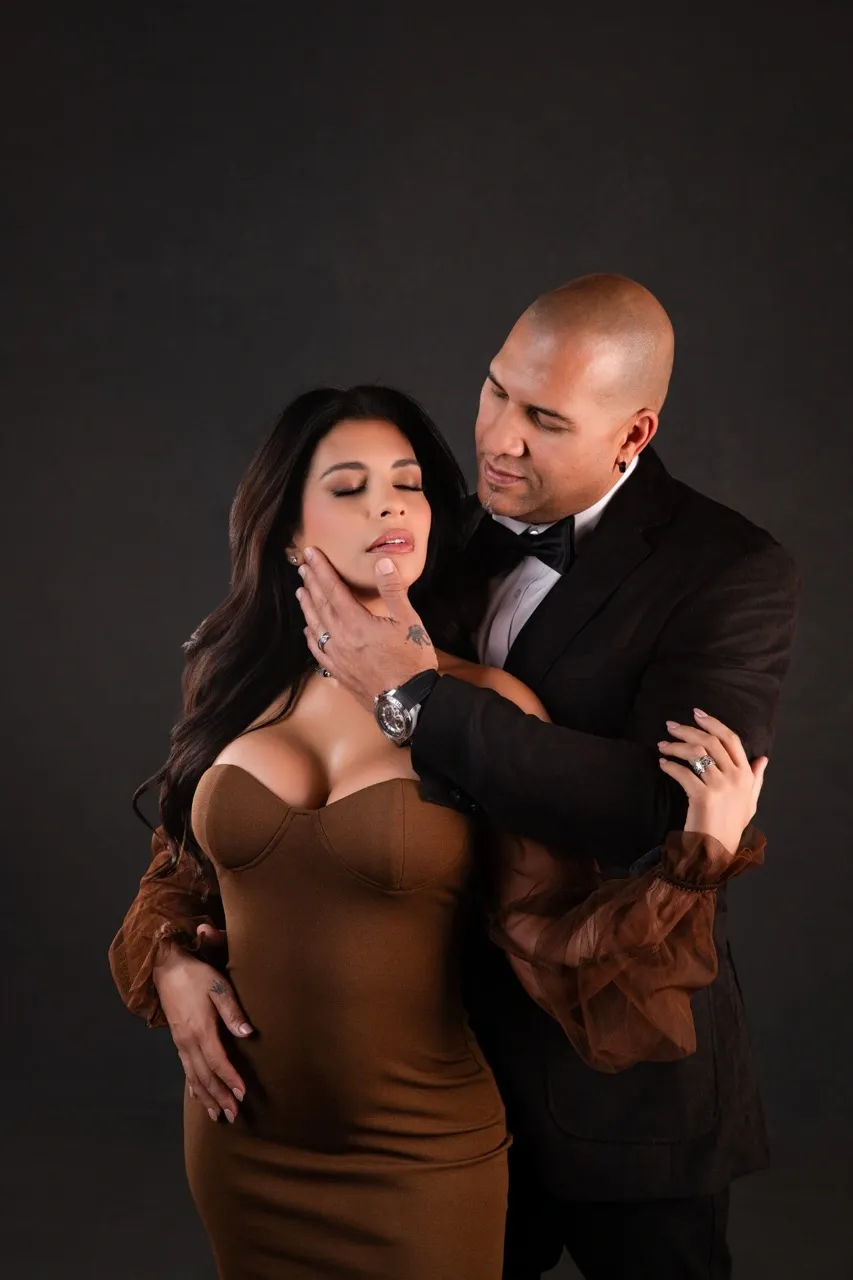
I always recommend beginning with casual couples portraits because this stage allows both partners to become comfortable with the photographer, the camera, and the environment. Even couples who have been together for many years may feel awkward when asked to express affection in front of someone they have just met. Starting with familiar interactions such as standing together, holding hands, sitting close, walking, or laughing helps remove that initial tension. The photographer can introduce simple posing directions while observing how naturally the couple interacts and how comfortable they are with physical affection.
This stage is also an opportunity to establish trust and discover the best communication style for the couple. Some respond well to humor and playful conversation, while others prefer calm, gentle direction. Pay attention to their personalities, body language, and reactions because these observations will help you guide the remaining stages. The goal isn't necessarily to create the most dramatic photographs of the session but to build confidence and establish a positive connection between the couple and the photographer. A comfortable beginning makes every stage that follows easier to direct.
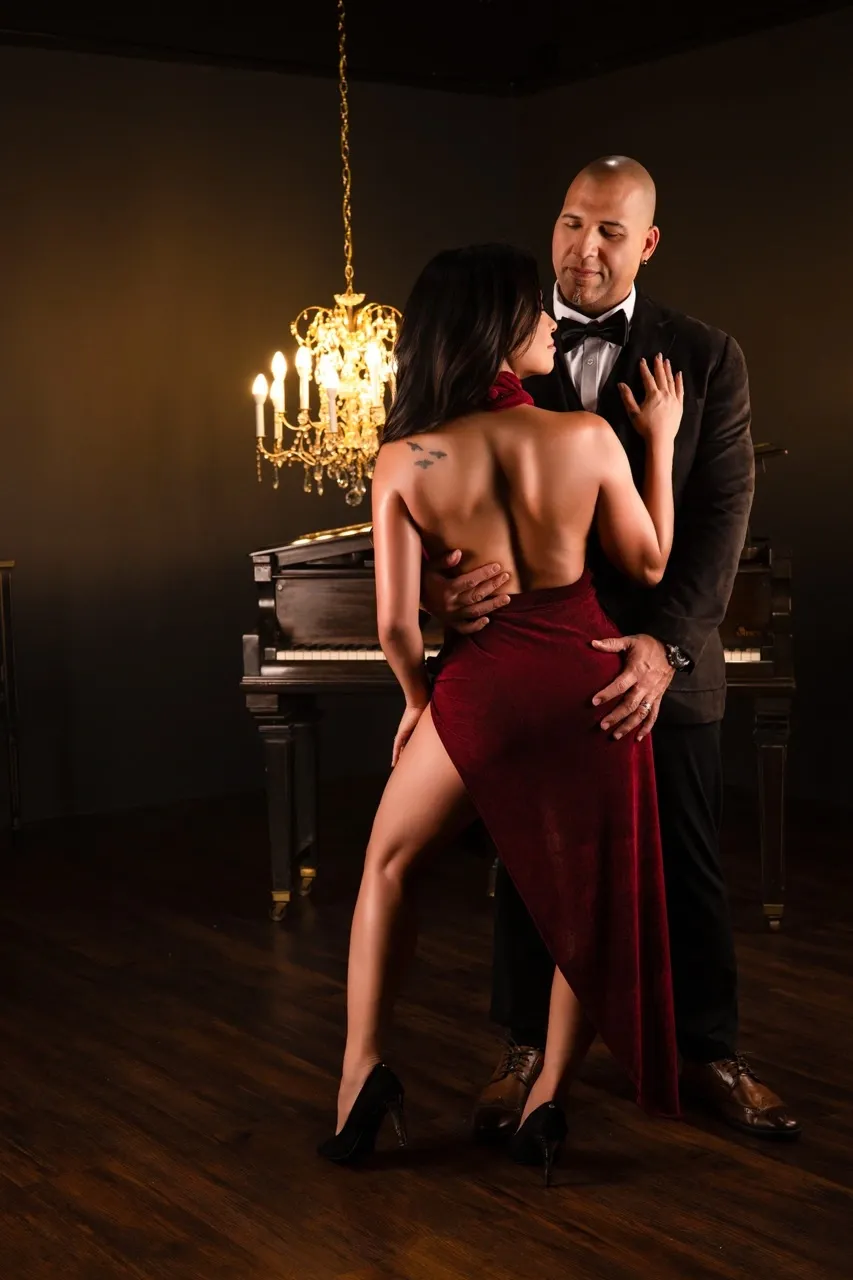
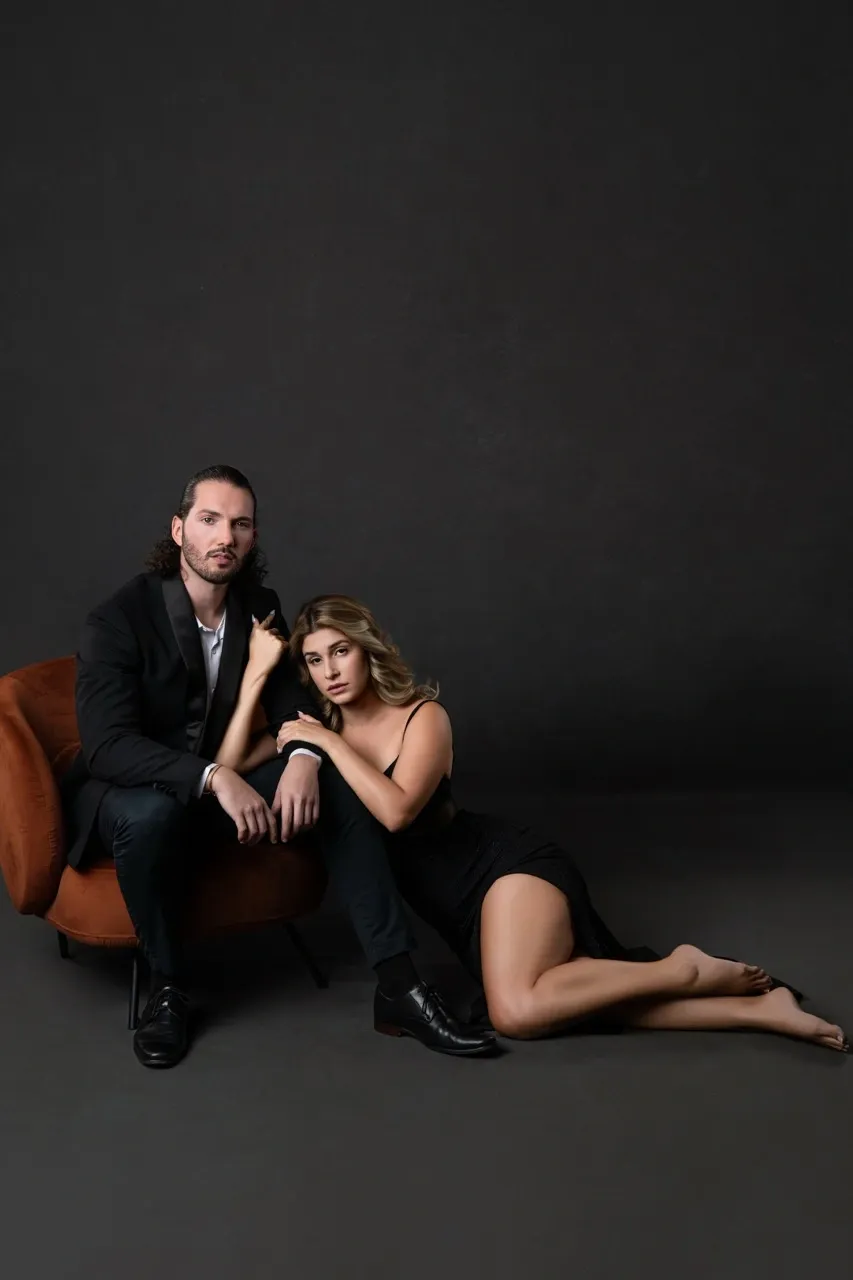
Once the couple becomes comfortable, I like to introduce a more sophisticated and cinematic style inspired by James Bond films. Think elegant eveningwear, fitted suits, beautiful dresses, confident expressions, dramatic lighting, and carefully controlled body language. This stage focuses on creating glamour, attraction, and sophistication without requiring revealing clothing or intimate posing. Couples can look incredibly sexy through their expressions, posture, eye contact, and the way they position themselves around each other. The photographer should concentrate on creating a powerful visual relationship between the two subjects.
From a technical perspective, this stage offers opportunities to experiment with fashion-inspired lighting, stronger contrast, and more deliberate compositions. The photographer must coordinate both partners while maintaining flattering angles and balanced lighting. The transition from casual to glamorous portraits also changes the couple's mindset. They begin seeing themselves as confident, attractive partners in a cinematic scene, which often helps them become more comfortable expressing their connection in front of the camera. These photographs can become some of the most visually striking images of the entire session.
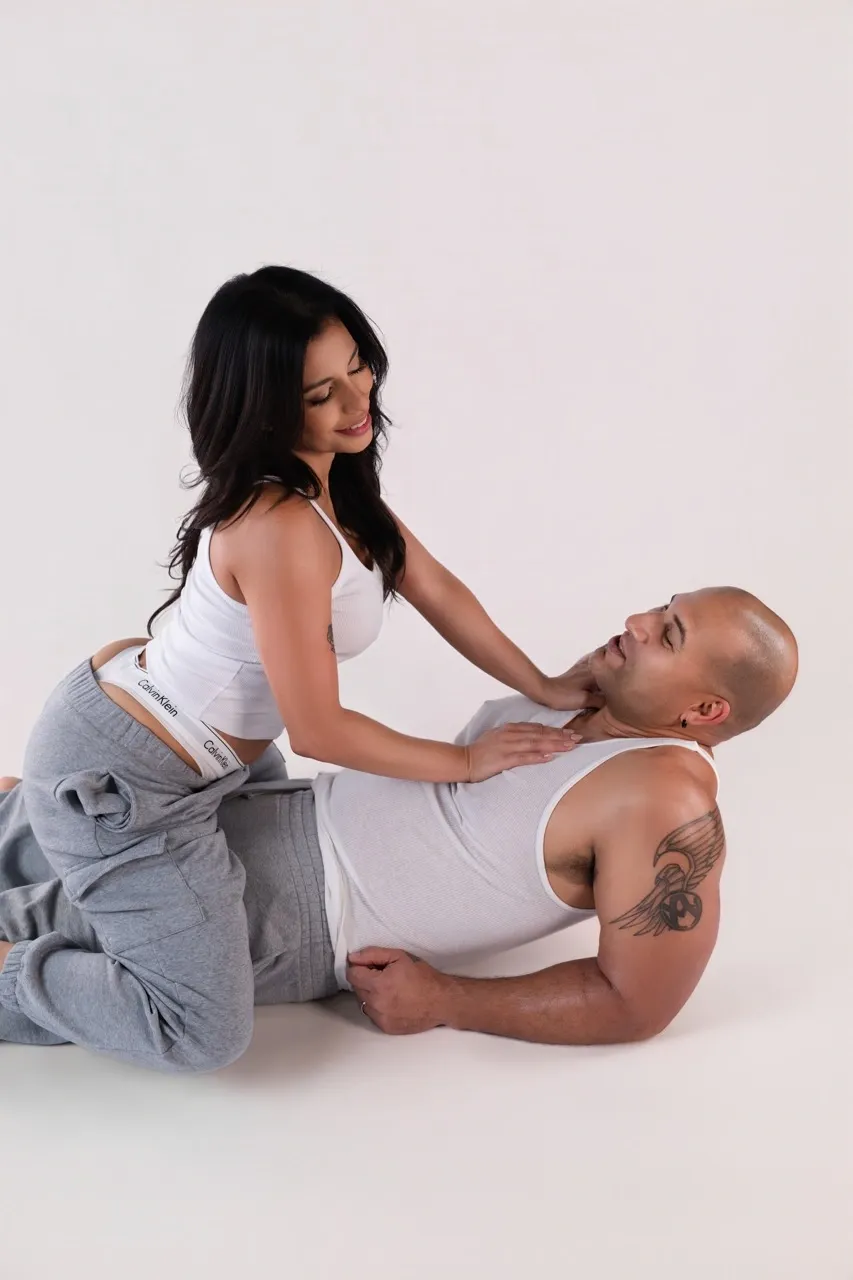
The third stage introduces a more relaxed, playful, and personal atmosphere. Wardrobe can include pajamas, jeans, sweatpants, oversized shirts, robes, or anything that feels comfortable and natural to the couple. The setting may resemble a bedroom, living room, or another intimate lifestyle environment where couples can interact more freely. Instead of focusing entirely on traditional posing, I encourage movement, laughter, teasing, hugging, cuddling, and playful interactions that reflect the couple's personality and relationship. This stage should feel less like a formal portrait session and more like capturing moments from their everyday lives.
This is often where couples begin forgetting about the camera and start enjoying the experience more naturally. However, creating authentic-looking photographs doesn't mean abandoning direction. Photographers must learn how to encourage natural reactions while still controlling composition, lighting, and body positioning. Knowing when to provide instructions and when to allow a moment to develop is an important skill. Too much direction can make the interaction feel staged, while too little may result in awkward photographs. The photographer must maintain enough control to create strong images without interfering with the couple's connection.
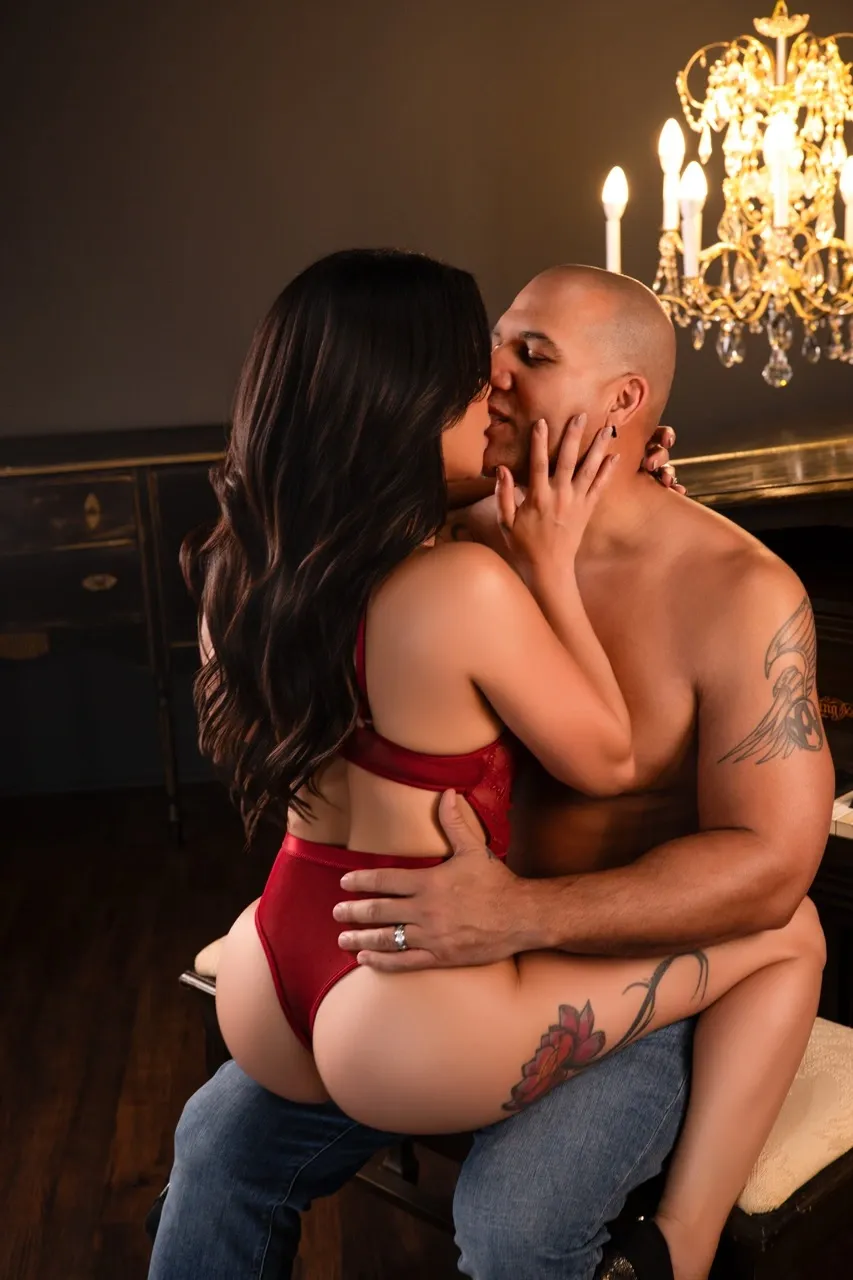
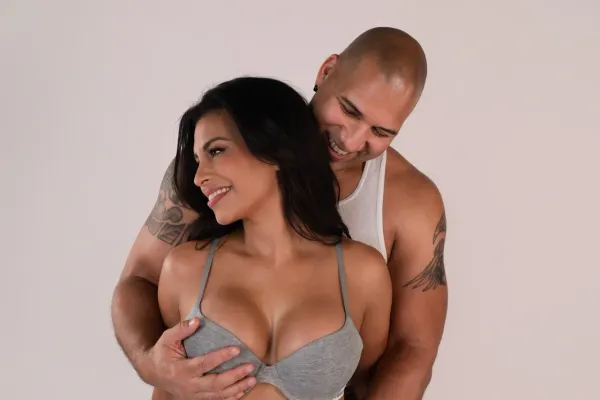
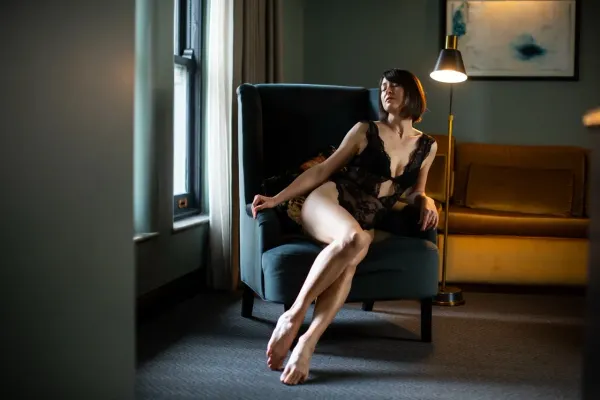
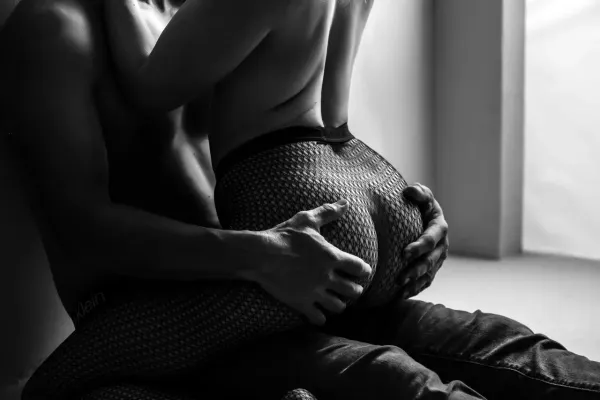
By the fourth stage, the couple should feel more comfortable with the environment and the photographer's direction. This is where the session transitions into traditional intimate couples boudoir photography. Wardrobe may include lingerie for one partner and shirtless portraits for the other, although clothing choices should always reflect the couple's preferences. Posing becomes closer, with greater emphasis on embracing, gentle touch, eye contact, romantic expressions, and physical connection. The photographer can introduce softer or more dramatic lighting depending on the atmosphere the couple wants to create.
Photographing two people in intimate poses requires significantly more technical skill than many photographers expect. Both partners must look flattering simultaneously, which means paying attention to two sets of hands, arms, legs, facial expressions, and body angles. Lighting becomes more complicated as bodies overlap, move closer together, and create shadows on each other. The photographer must make corrections without constantly interrupting the couple's connection. Excessive direction can destroy the atmosphere, while insufficient direction can lead to uncomfortable positioning and poorly composed photographs. Finding the balance between technical control and natural interaction is one of the most important skills in couples boudoir photography.
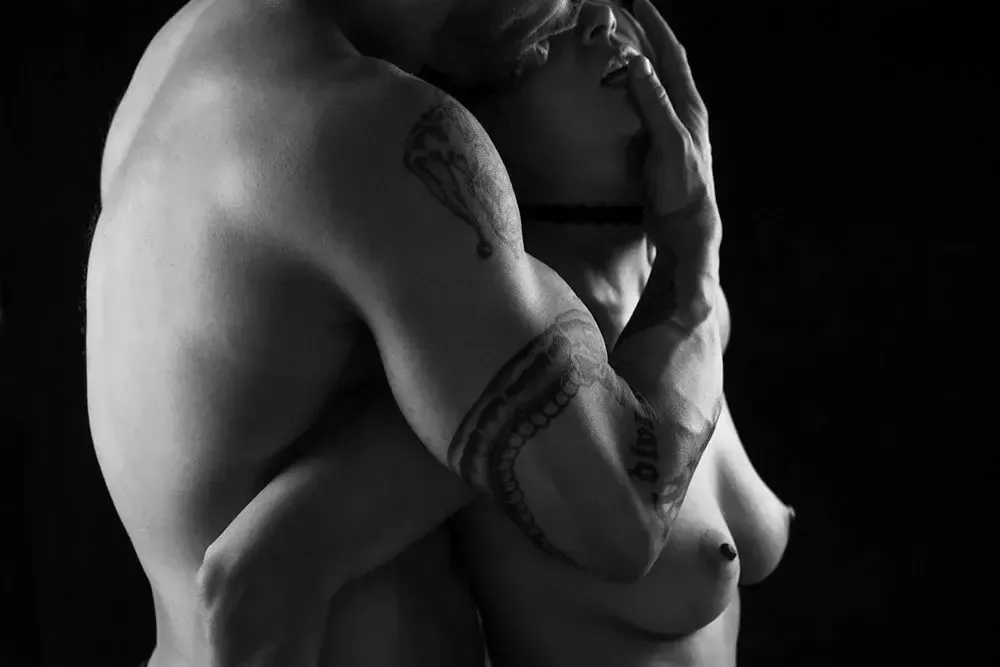
For couples who are interested and comfortable, the fifth stage explores a more provocative and erotic photographic style. The emphasis shifts toward desire, attraction, sensual expressions, and more daring artistic posing. This stage requires a photographer who is confident, professional, and comfortable discussing intimacy without becoming embarrassed or making the couple feel judged. Strong erotic imagery isn't simply about removing more clothing or increasing physical contact. It depends on the photographer's ability to combine expressions, body language, lighting, composition, and the natural chemistry between two people.
Communication and emotional awareness become especially important during this stage because couples must feel comfortable expressing their boundaries. Some partners are naturally expressive, while others require more guidance and reassurance. The photographer should maintain a professional atmosphere, provide clear directions, and recognize when a couple needs additional space or a change in approach. Not every couple wants erotic photographs, and that's perfectly fine. The decision to explore this style should always belong to both partners, and photographers should never treat it as a required step toward completing the session.
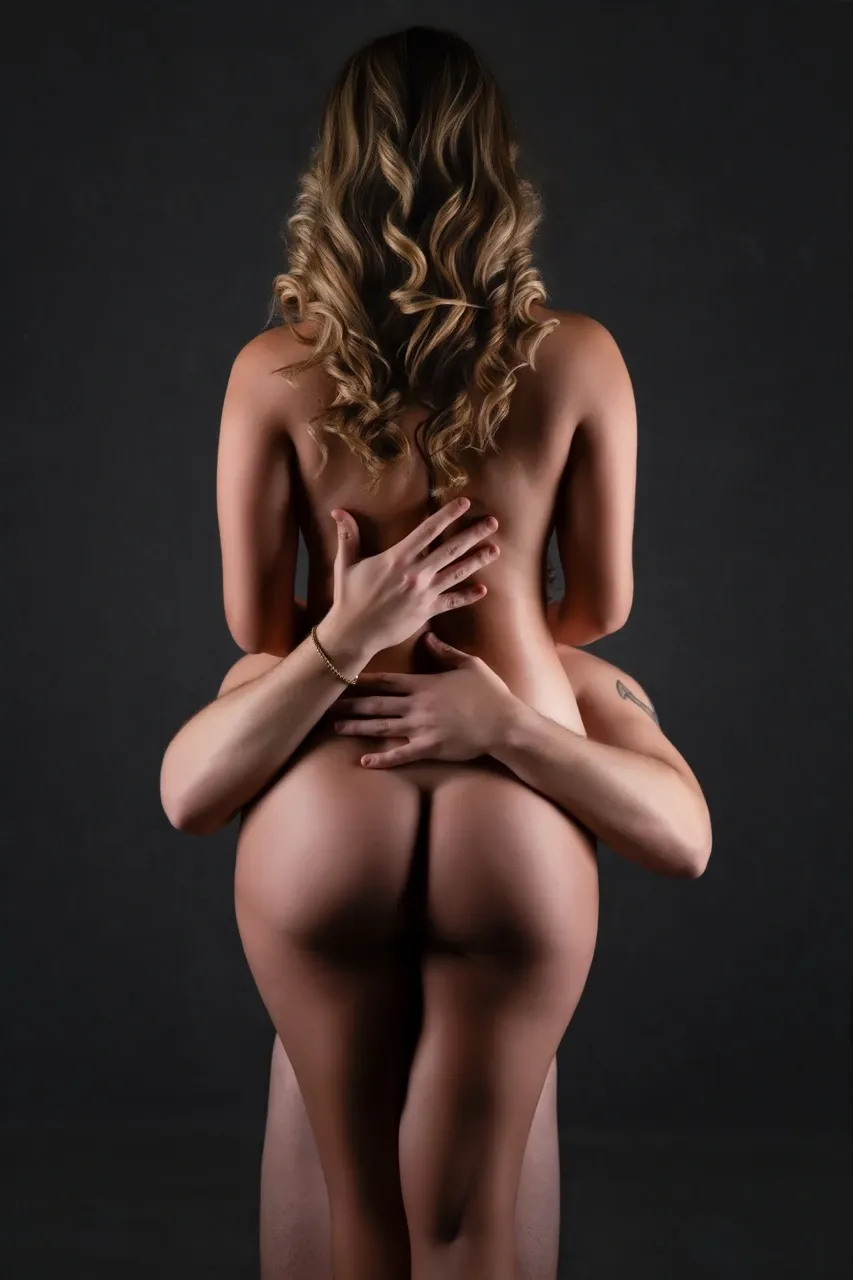
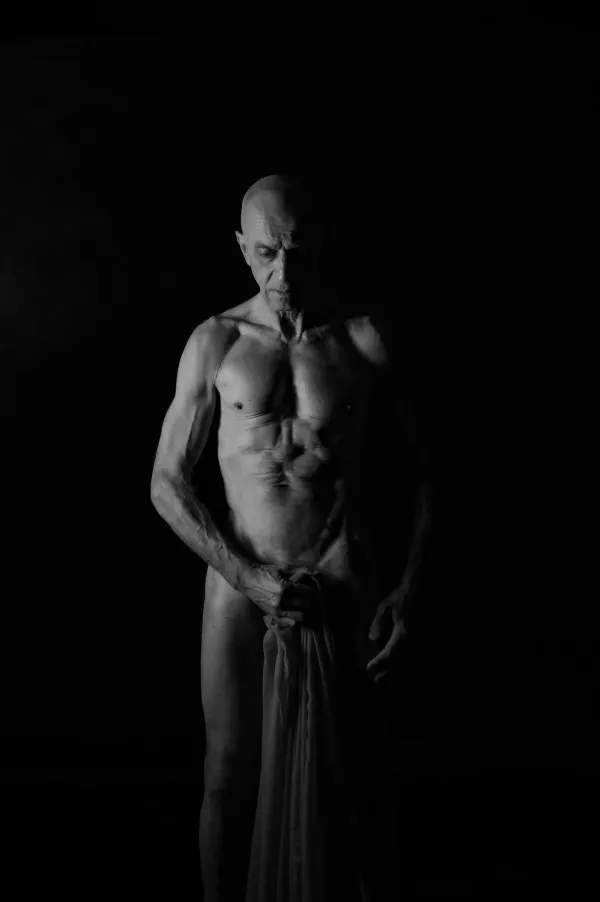
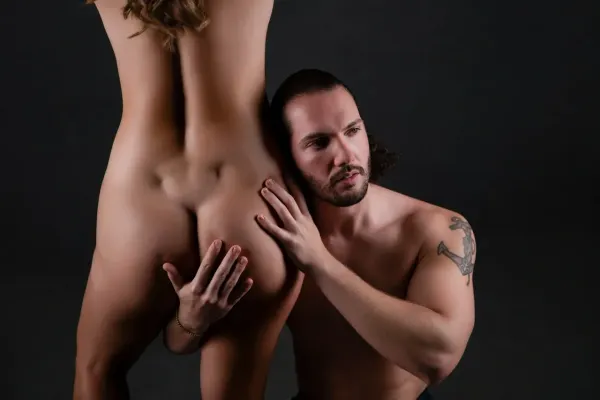
The final stage of my couples boudoir approach is intentionally different from the previous one. Rather than continuing to increase the sexual intensity, I prefer to slow everything down and finish with artistic nude photography. This is the cooldown stage, where the energy shifts away from erotic expression and toward fine art, beautiful body shapes, sculptural posing, silhouettes, and creative lighting. Techniques such as bodyscape photography allow photographers to explore the human form through shadows, highlights, composition, and the relationship between two bodies without relying on provocative expressions or interactions.
I believe this transition is important because a couples boudoir session should have a natural beginning, middle, and ending. The experience shouldn't feel like a continuous escalation of intimacy until the couple suddenly gets dressed and leaves. Finishing with artistic portraits creates a calmer atmosphere and allows the couple to appreciate the beauty of what they have created together. The photographer can slow down the posing, introduce more peaceful expressions, and focus on timeless artistic compositions. Nude photography is never a requirement, and couples who prefer to remain partially clothed can achieve a similar artistic result through silhouettes, draping, and carefully controlled lighting.
Managing six photographic styles within a relatively short session requires preparation, organization, and the ability to transition efficiently between setups. The suggested timing provides a general framework, but photographers should remain flexible based on the couple's comfort level and the types of photographs they want. Some couples may move quickly through casual portraits and prefer spending more time on intimate photography, while others may want to focus on glamorous or playful images. The goal isn't to complete every stage at a predetermined time but to maintain a natural progression that feels comfortable and enjoyable.
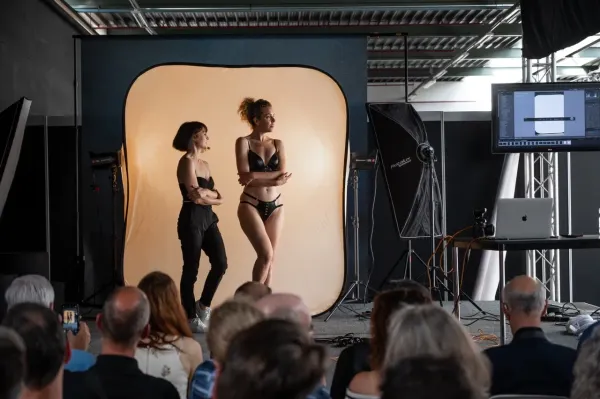
Preparing lighting setups, wardrobe options, and shooting environments in advance can make a significant difference. Constantly stopping to move equipment, change backgrounds, or solve technical problems can interrupt the atmosphere and make couples feel disconnected from the experience. Photographers should understand their lighting well enough to make adjustments quickly and confidently. The smoother the transitions, the easier it becomes for couples to remain engaged with each other rather than focusing on the technical process happening around them.
It's also important to recognize when a stage has accomplished its purpose. If the couple is already comfortable and relaxed, there may be no reason to spend additional time on warm-up portraits. Likewise, if a particular photographic style is producing beautiful interactions and the couple is enjoying it, the photographer may choose to spend more time there. The six-stage approach is intended to guide the session, not restrict creativity or force couples into a rigid schedule.
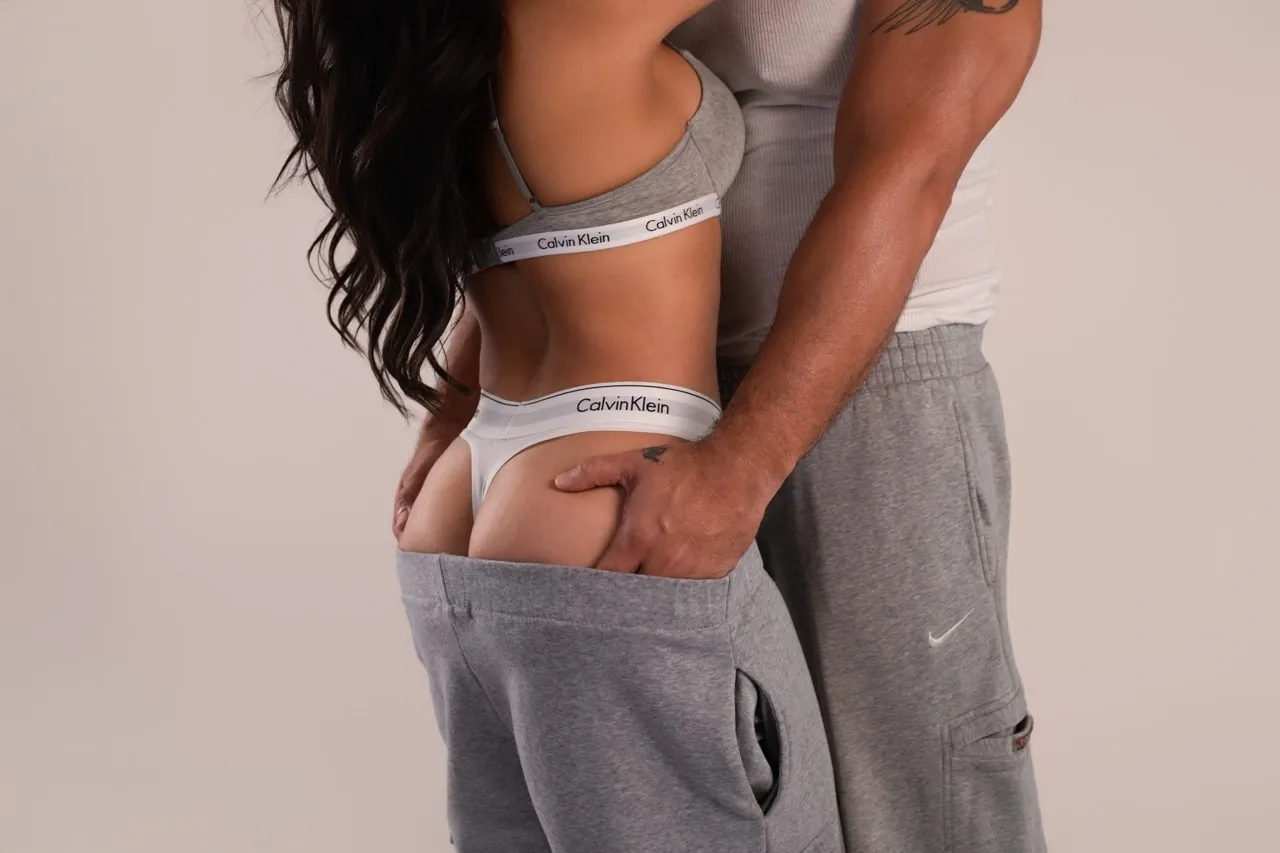
One of the most overlooked parts of couples boudoir photography is what happens after the photoshoot. I always encourage couples to make an entire day out of their experience rather than treating the session as just another appointment on their calendar. After spending 60–90 minutes together in an environment focused on connection, confidence, and affection, why not continue enjoying that feeling? Couples can plan a romantic dinner, book a beautiful hotel, go on a date, or simply spend uninterrupted time together. The photographer may no longer be present, but the experience doesn't have to end when the camera is put away.
As photographers, we have an opportunity to contribute to something more memorable than a collection of beautiful images. We can help couples create an experience that encourages them to spend meaningful time together, celebrate their relationship, and enjoy each other's company. This doesn't mean a photoshoot can repair serious relationship problems or replace honest communication between partners. Couples boudoir isn't relationship therapy, and photographers shouldn't position themselves as relationship counselors. However, when the experience is thoughtfully planned, it can become a memorable part of a much larger day that the couple has created for themselves.
I believe photographers should think beyond the walls of their studios when designing a couples boudoir experience. Preparing clients mentally before the session, creating a comfortable and private environment during the photography, and encouraging them to enjoy time together afterward can make the entire experience feel more complete. The photographs become lasting reminders of that day, but the memories extend beyond the images themselves. Ultimately, the goal is for couples to leave feeling happy with their experience and excited to continue spending time together, even when the photographer is no longer there.
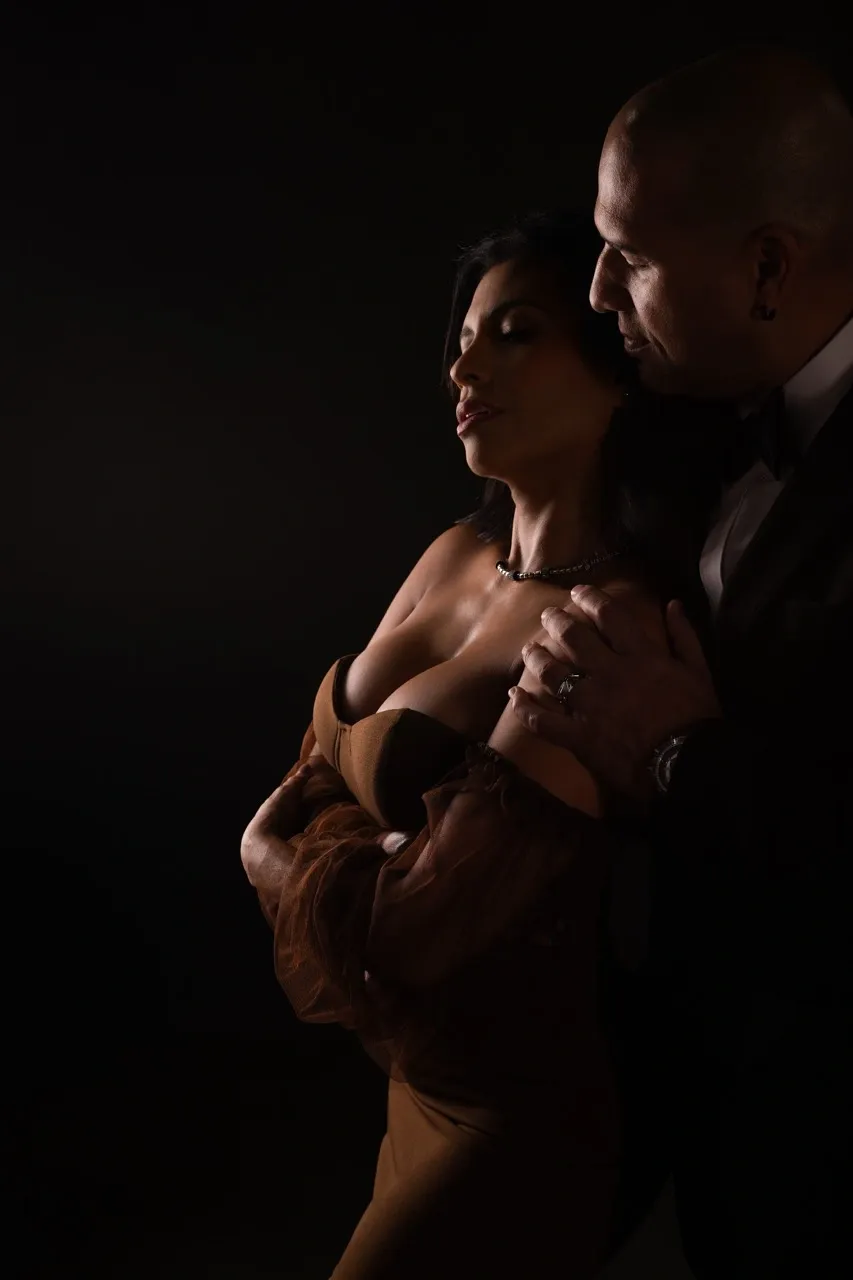
The six stages of couples boudoir photography provide a framework for creating a complete experience that begins with comfort and confidence, gradually explores different styles of intimacy, and finishes with artistic expression. From casual portraits and James Bond-inspired glamour to playful lifestyle photography, intimate boudoir, erotic imagery, and a calming fine art cooldown, each stage has a different purpose. Understanding those purposes allows photographers to guide couples naturally while creating a diverse collection of images that reflect their personalities and relationship.
However, mastering the six stages requires more than understanding their order. Photographers must develop advanced posing and lighting skills, learn how to communicate confidently with two people, and recognize when to adjust their approach based on the couple's reactions and preferences. These abilities improve through continued education, hands-on practice, and experience photographing different personalities and relationships. A structured approach can make the process easier, but the photographer's judgment ultimately determines how successful the experience becomes.
The most important thing to remember is that couples boudoir photography isn't about pushing clients toward increasingly intimate poses. It's about creating a thoughtful experience that allows two people to express their connection in ways that feel comfortable and meaningful to them. When photographers understand this distinction, they can move beyond simply photographing couples and begin creating experiences that clients will remember long after their images are delivered.
So, fellow boudoir photographers, which of these six stages do you find the most challenging, and which one would you like to master next?

Get The Complete Boudoir Photography System That Guarantees You the Skills to Make Money