The Future of Boudoir Photography May Lie in Its Past
Will Boudoir Survive the AI Era?

– 6 min read


Will Boudoir Survive the AI Era?
Throughout history, every major technological revolution has threatened an existing industry. Businesses have disappeared, professions have been transformed, and entire generations of artists have been forced to reconsider their place in society. Yet history also teaches us that innovation does not necessarily eliminate what came before it; sometimes, it makes it even more desirable.
Today, artificial intelligence is challenging the very foundation of photography. When anyone can generate a visually stunning image in seconds, what happens to photographers who have dedicated years to mastering their craft? Perhaps the answer lies not in predicting the future, but in understanding the past.
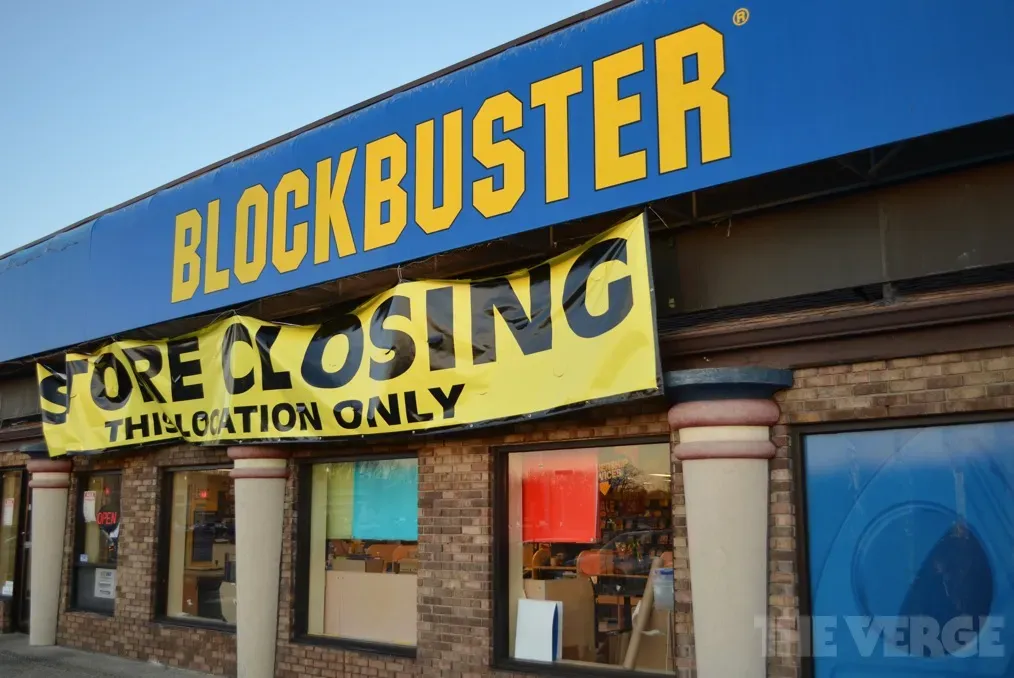
When Netflix and other streaming platforms revolutionized home entertainment, traditional video rental businesses began disappearing. Blockbuster filed for bankruptcy in 2010, thousands of video rental stores closed their doors, and even Redbox, once a familiar sight outside Walmart and grocery stores, ceased operations in 2024. Convenience, affordability, and instant accessibility appeared to have permanently defeated physical entertainment. For a while, owning physical media seemed almost pointless.
But not everyone abandoned the industry. Some independent record stores, vintage media retailers, and specialty collectors continued operating, adapting their businesses around customers who appreciated physical ownership, nostalgia, and authenticity. Today, vinyl records that were once considered obsolete have experienced an extraordinary revival. According to the Recording Industry Association of America, vinyl sales surpassed CDs in units for the third consecutive year in 2024, marking eighteen consecutive years of vinyl revenue growth.
Meanwhile, the streaming industry faces challenges of its own, including subscription fatigue, high cancellation rates, rising production costs, consolidation, and increasing competition for viewers' attention. Audiences are questioning whether the endless quantity of available entertainment necessarily translates into better quality. Movie theaters are bringing back classics such as Citizen Kane, Ben-Hur, and Gone with the Wind, introducing decades-old films to entirely new generations. What was once considered outdated has become a commercial opportunity again.
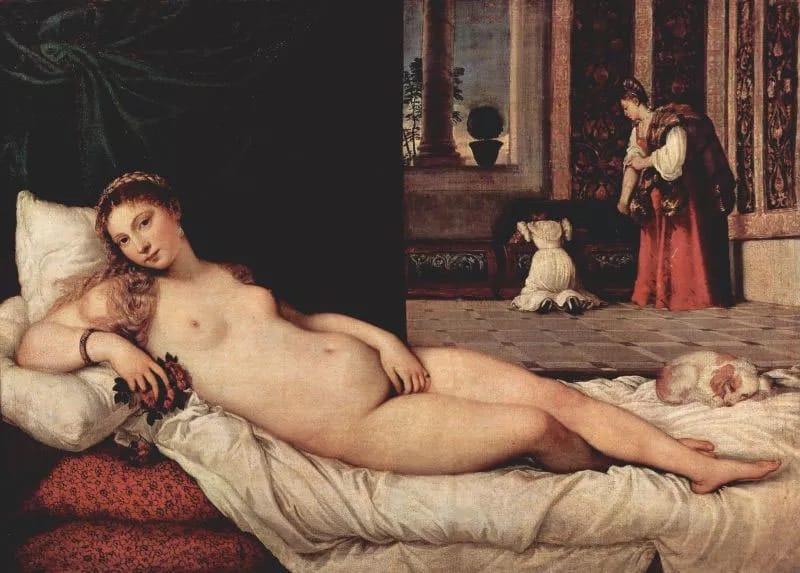
We witnessed a similar transformation in the art world following the invention of photography in the nineteenth century. Once cameras could reproduce reality with remarkable accuracy, painters began exploring new forms of artistic expression, contributing to movements such as Impressionism and, eventually, broader modernist movements. Yet traditional painting never disappeared, and masterpieces such as the Mona Lisa remain among humanity's most treasured cultural possessions. Technology changed the purpose of painting, but it never eliminated the value of human craftsmanship.
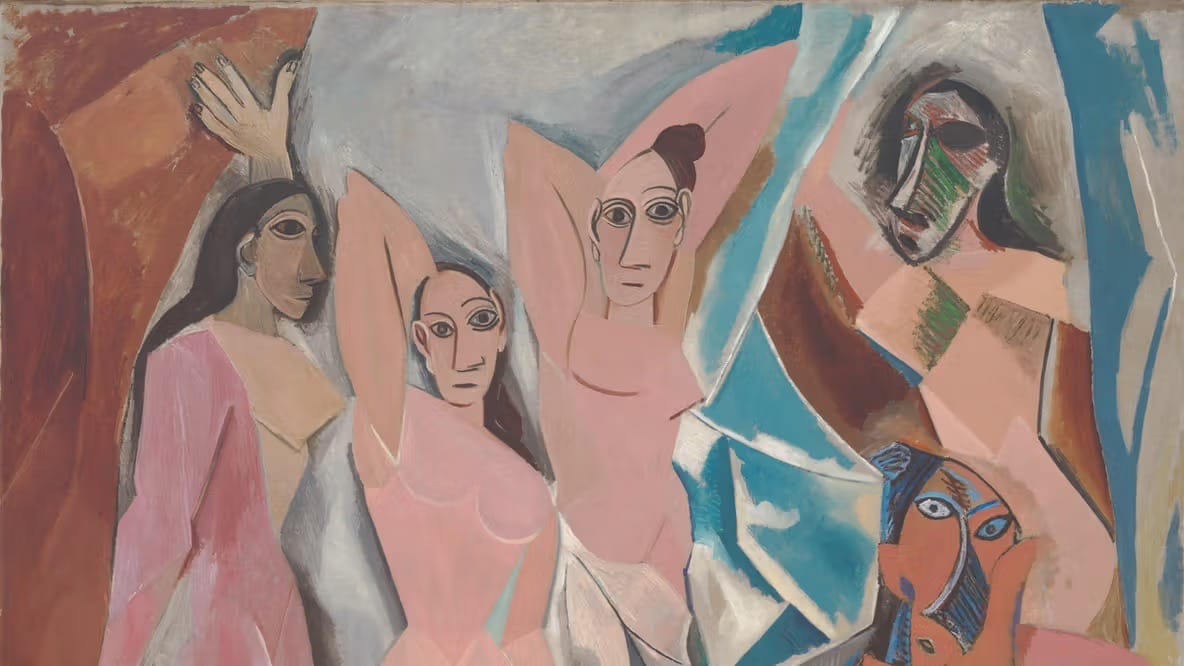
The lesson is that technological advancement can make something less commercially necessary without making it less culturally valuable. In fact, when something becomes less common, its authenticity, craftsmanship, and scarcity can become its greatest strengths.
Today, photography is facing its own historical turning point. Artificial intelligence can generate beautiful portraits, idealized bodies, sophisticated lighting, luxurious environments, and seemingly convincing human expressions without a camera, a model, or a photography studio. The accessibility and affordability of these images will inevitably challenge the perceived value of conventional photography. We should not underestimate the magnitude of this transformation.

If history is any indication, we may witness numerous photography studios closing their doors, photographers abandoning their careers, and luxury boudoir experiences becoming less accessible. Photography businesses that compete primarily on delivering visually attractive images may find themselves increasingly vulnerable. However, those who understand that boudoir photography offers something far beyond an image will have an opportunity to distinguish themselves. The experience of being photographed, discovering one's sensuality, overcoming insecurities, and connecting with another human being cannot be downloaded.

This is where traditional film and darkroom photography could experience a remarkable renaissance. Physical negatives, handmade silver gelatin prints, natural film grain, and limited-edition photographic artworks could become increasingly desirable in a world overwhelmed by artificially generated imagery. A photograph may become valuable not simply because of what it depicts, but because of the human effort, physical process, and genuine moment behind its creation. Authenticity itself could become a luxury.
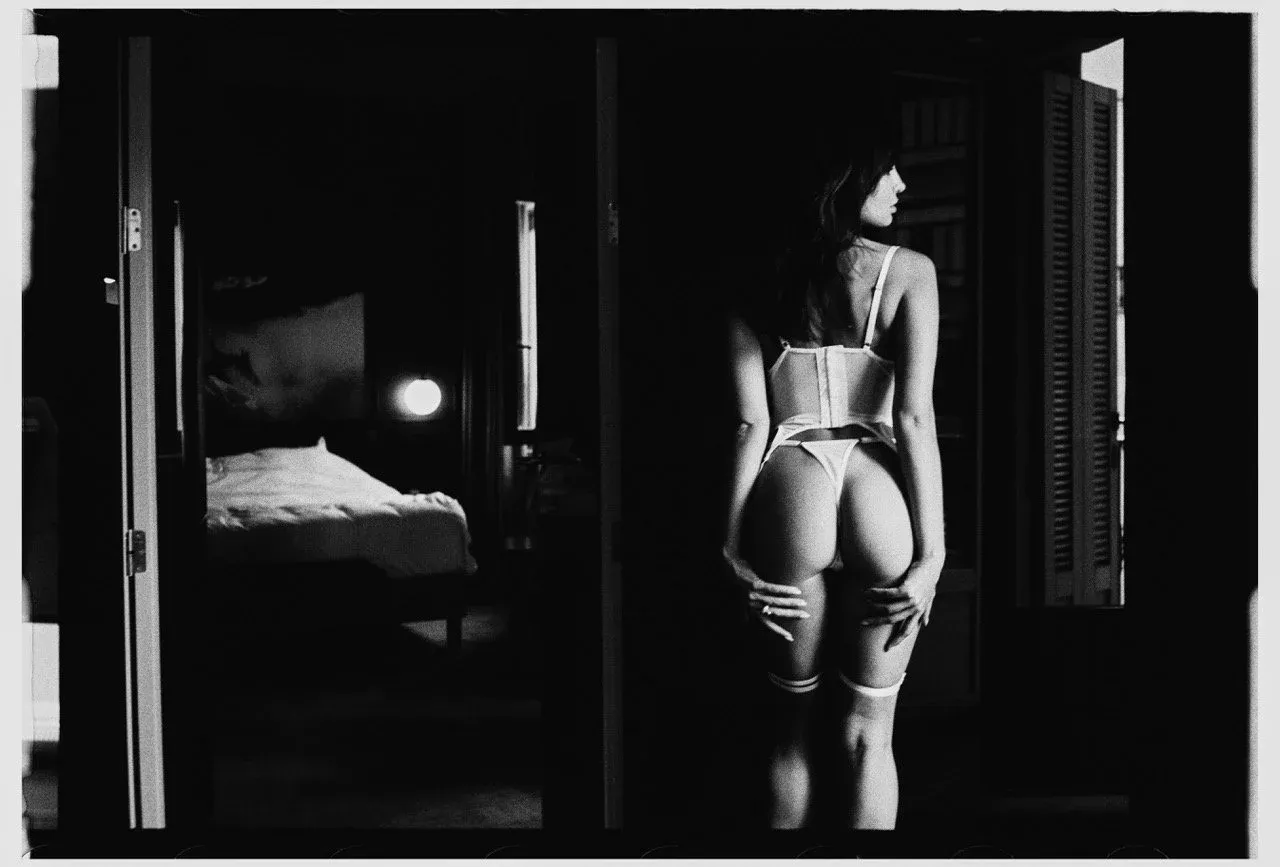
Those who continue to create, experiment, adapt, and remain committed to their artistic principles may eventually emerge as the strongest survivors of this transformation. This does not mean stubbornly rejecting new technology or maintaining an unsustainable business model. It means understanding what makes our profession irreplaceable and building our future around those qualities. We must give people a reason to choose real photography beyond the appearance of the final image.
At Believe in Boudoir, we believe that our responsibility as a leading force in boudoir photography extends far beyond educating photographers. It is also about protecting, preserving, promoting, and expanding the genre itself. We cannot simply observe the transformation of our industry, complain about artificial intelligence, and wait for circumstances to improve. We must actively participate in shaping the future of intimate photography.
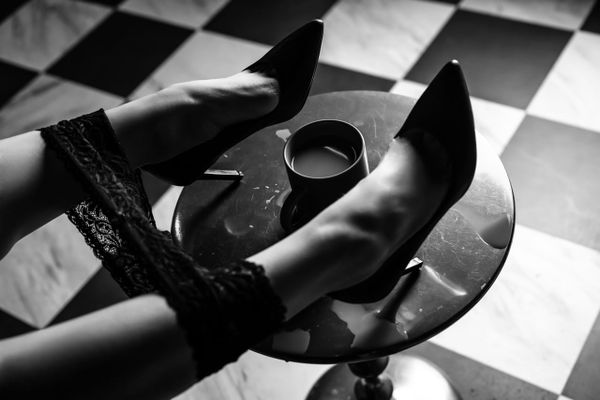
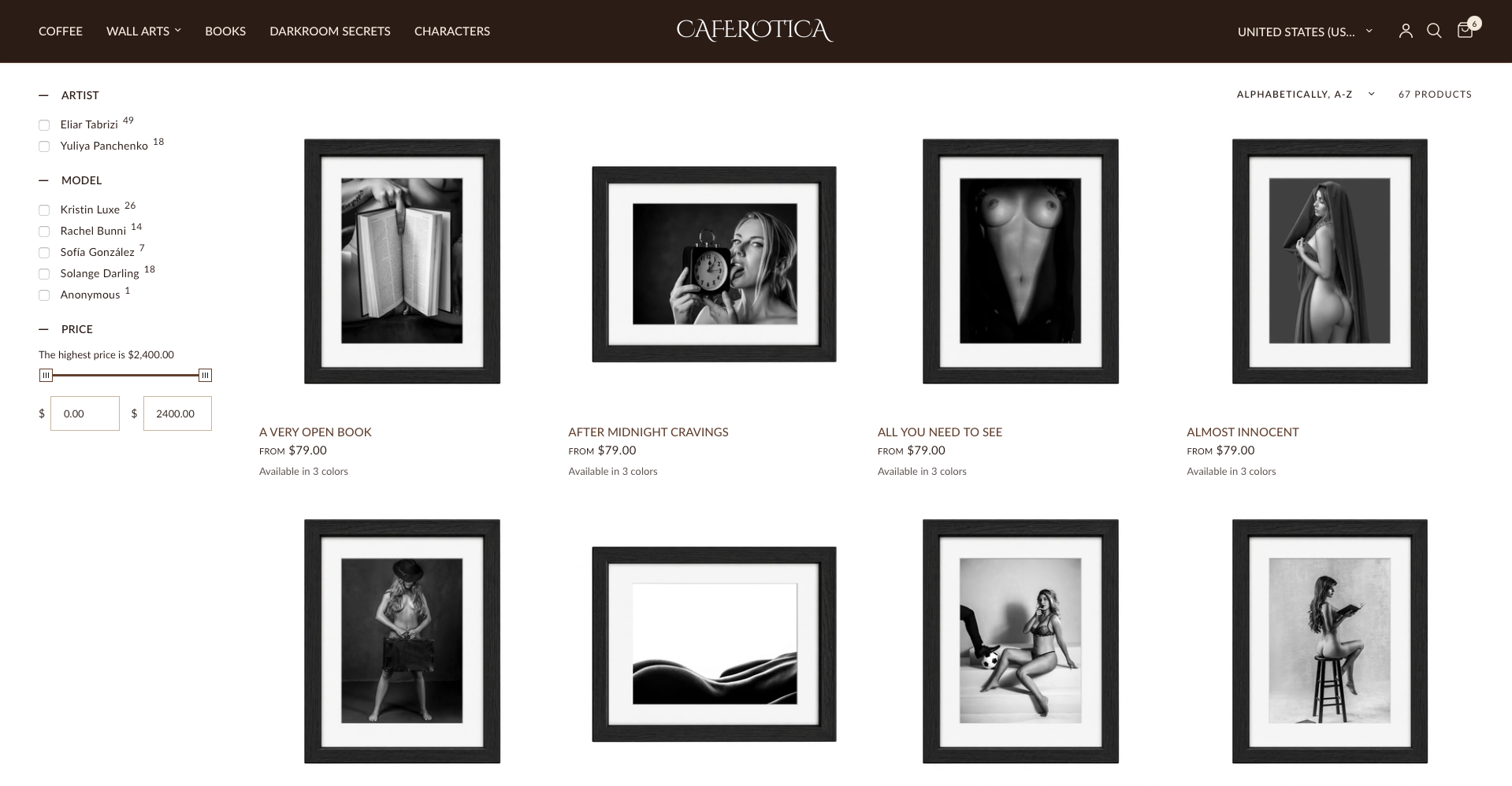
This is precisely why we created Caferotica. We analyzed the cultural and technological shifts, added a little spice, and found a way to introduce intimate photographic art through something millions of people enjoy every single day: a cup of coffee. By combining premium coffee with collectible intimate photographic art, we are taking photography beyond galleries, studios, and social media platforms. We are creating a new audience for intimate art, including people who might otherwise never consider purchasing or collecting photographic artwork.
We also created Forbidden Frames, an initiative dedicated to rediscovering and recreating the forgotten history of intimate photography. By revisiting historical aesthetics, artistic movements, and photographic techniques, we are reconnecting contemporary photographers with the roots of their craft. History should not simply be studied; it should inspire new creations. There is an extraordinary amount of artistic knowledge from previous generations waiting to be rediscovered.

Through the Boudoir Prep Guide, we are also making boudoir photography more accessible to the general public. By providing free behind-the-scenes videos, preparation tips, and educational resources, we are helping potential clients understand and appreciate what goes into a professional boudoir experience. The more people understand our craft, the more likely they are to appreciate its value. Education is not only a tool for photographers but also a powerful way to cultivate future demand.

But Believe in Boudoir cannot accomplish this alone. Every photographer who continues to create authentic intimate art, experiment with film, produce physical prints, educate clients, and share original work contributes to the preservation and expansion of our industry. The more we collectively embrace these practices, the greater our opportunity to influence artistic trends and public perception. We should not simply wait for a photographic renaissance to happen; we should be the ones who initiate it.
The greatest threat to boudoir photography may not be artificial intelligence itself, but our collective decision to stop creating because of it. If photographers abandon their craft, studios disappear, and authentic intimate art becomes increasingly rare, we risk losing decades of artistic and cultural progress. However, if we adapt, innovate, collaborate, and remain committed to human creativity, this technological revolution could become one of the greatest opportunities in the history of photography.
Pick up your camera. Experiment with film, learn traditional darkroom techniques, print your photographs, and create something that deserves to exist beyond a screen. Photograph real people, capture genuine emotions, explore human intimacy, and produce artwork that carries a story worth preserving.
We do not need to defeat artificial intelligence to protect photography. We need to make authentic photography desirable, meaningful, culturally relevant, and worth investing in. Our objective should not merely be to survive this transformation, but to emerge from it as a stronger, more respected, and more valuable artistic community.
History remembers the artists who continued to create when the world told them their craft was becoming obsolete. Let us be those artists.