The Art of Painterly Floral Boudoir Photography
The surprising artistry behind Aleigha Tucker’s floral portraits.

– 8 min read


The surprising artistry behind Aleigha Tucker’s floral portraits.
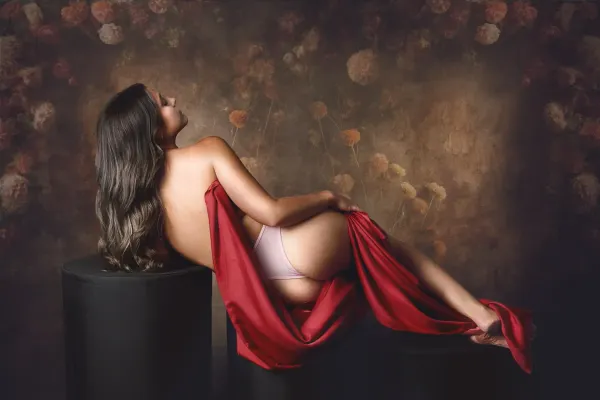
Boudoir photography offers endless opportunities for artistic expression, extending far beyond traditional posing, lingerie, and intimate settings. By drawing inspiration from classical painting, photographers can explore new ways of working with light, color, texture, and composition to create portraits that feel both timeless and contemporary. The human form remains central to the photograph, but the surrounding elements become equally important in establishing atmosphere, depth, and visual harmony.
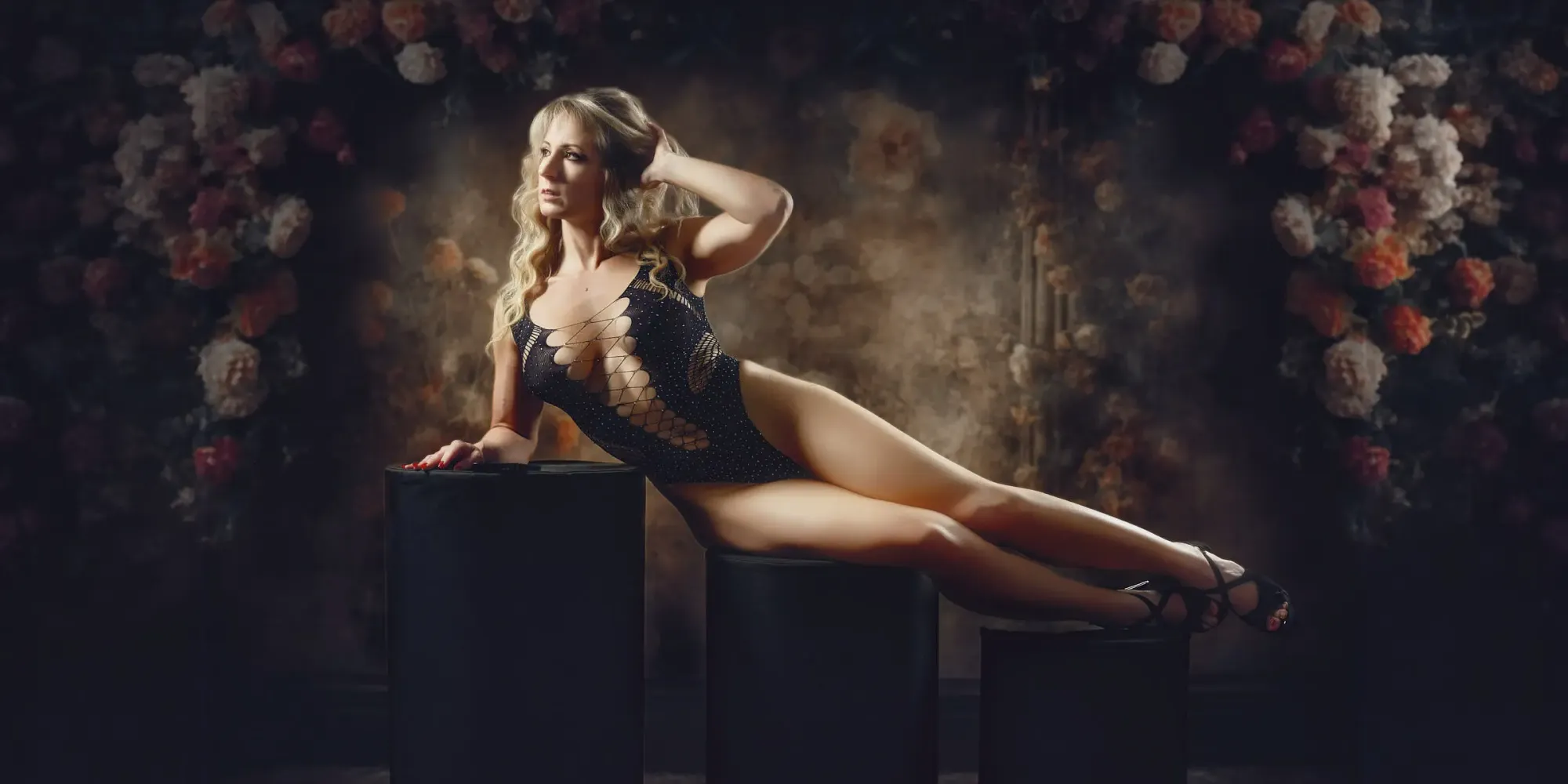
The Painterly Floral Series, created by boudoir photographer Aleigha Tucker, explores this artistic direction through floral backdrops, rich, muted colors, controlled lighting, and carefully considered compositions. In some photographs, physical flowers are incorporated into the foreground, adding layers of texture and dimension. Inspired by traditional fine-art portraiture, the series demonstrates how boudoir photography can embrace the visual qualities of classical paintings while maintaining the authenticity and expressive nature of photography.
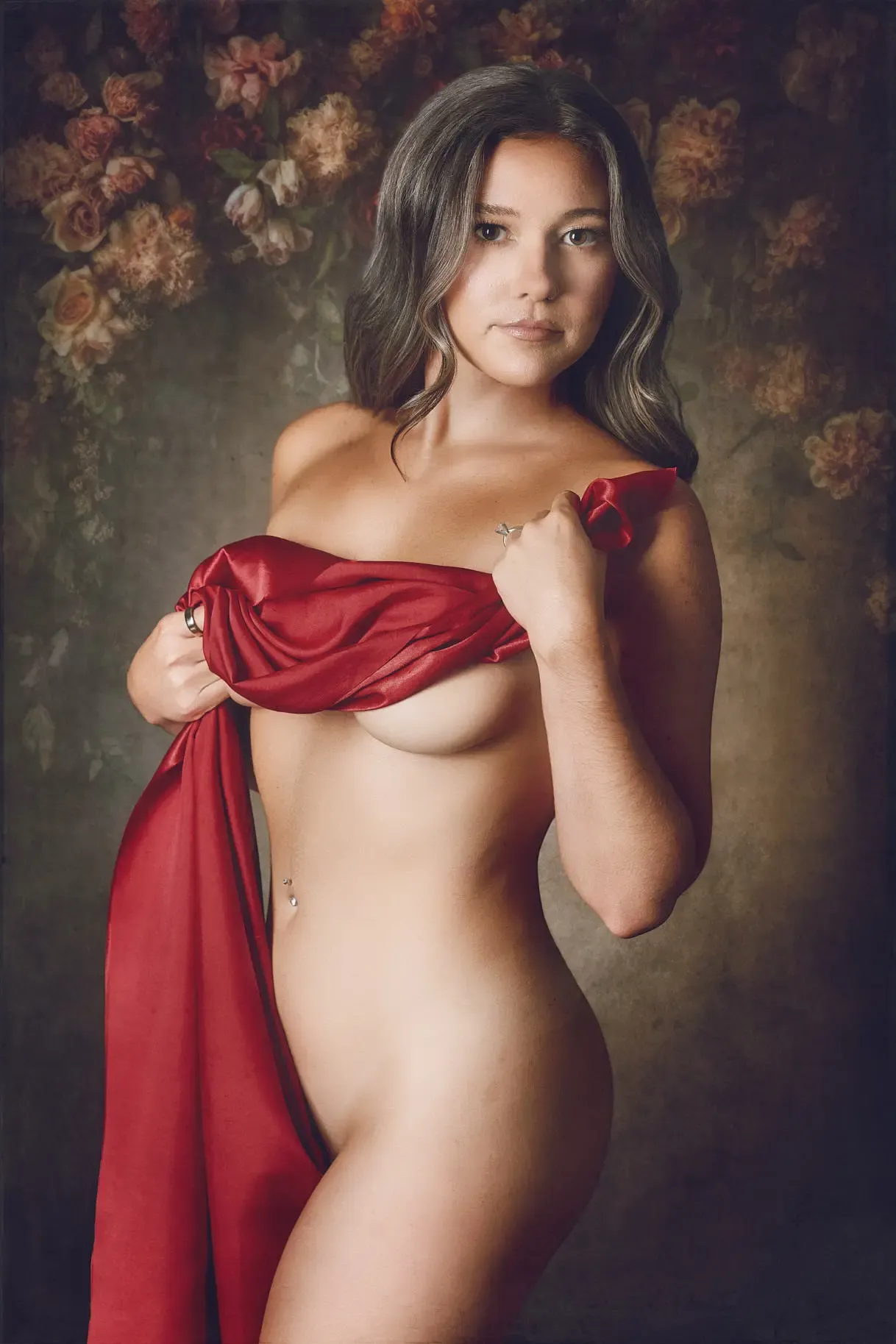
Long before photography existed, painters used light, shadow, color, fabric, and the human form to create portraits filled with depth, atmosphere, and emotion. Classical portraiture often relies on selective illumination, rich tonal transitions, and thoughtful composition to direct the viewer's attention. Rather than giving every element equal visual importance, painters carefully controlled what the viewer would notice first, allowing some details to emerge from darkness while others remained subdued.
These principles translate naturally into boudoir photography. A photographer can use directional light to emphasize the contours of the body, darker backgrounds to establish contrast, and carefully selected colors to create a cohesive visual experience. The Painterly Floral Series draws on these ideas, combining the dimensionality of classical portraiture with contemporary photographic techniques. The goal is not to imitate a painting through artificial effects, but to approach photography with the same artistic consideration given to a painted portrait.
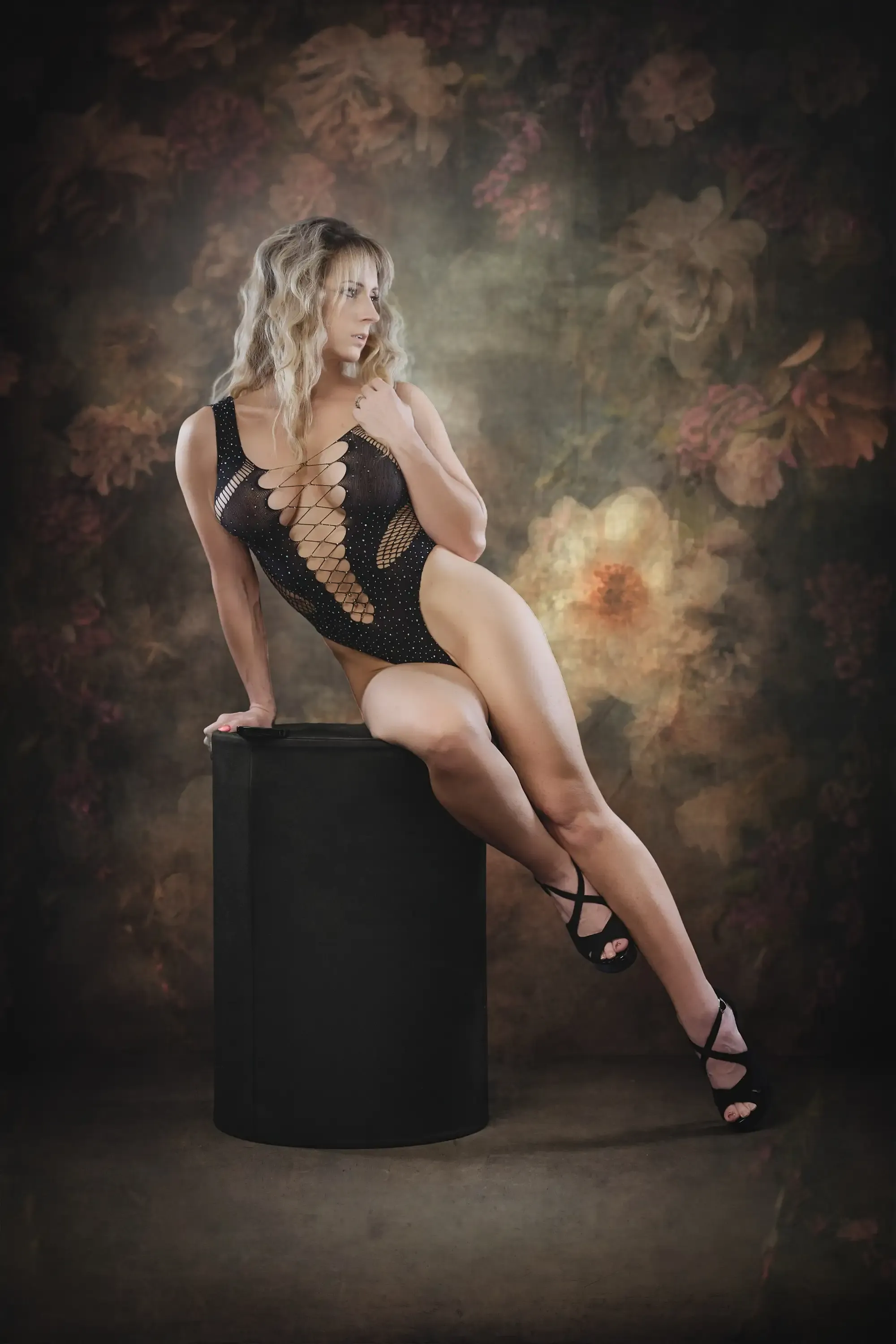
Floral imagery has a long association with romantic portraiture and traditional painting, where flowers often contribute symbolism, color, texture, and atmosphere. In boudoir photography, floral backdrops can serve a similar purpose by introducing organic patterns and visual richness without requiring elaborate set construction. Their colors and textures establish a foundation for the composition, while the subject's pose, wardrobe, and lighting determine how the different elements interact within the frame.
In the Painterly Floral Series, floral backdrops establish the visual foundation through rich, muted colors, organic patterns, and textured surfaces. In some photographs, physical flowers are introduced into the foreground, adding another layer of depth and creating a visual connection between the subject and the floral background. These elements work together with controlled lighting and intentional posing to create compositions reminiscent of classical paintings. The flowers are not simply decorative; they contribute to the overall atmosphere, texture, and visual balance while keeping the human form at the center of the portrait.
This combination of background and foreground elements offers an important creative lesson for boudoir photographers. A backdrop can establish the atmosphere of an image, while carefully placed objects in the foreground can introduce depth and dimension. However, additional elements should support the composition rather than compete with the subject. Understanding how these layers interact allows photographers to create visually sophisticated portraits without overwhelming the scene.
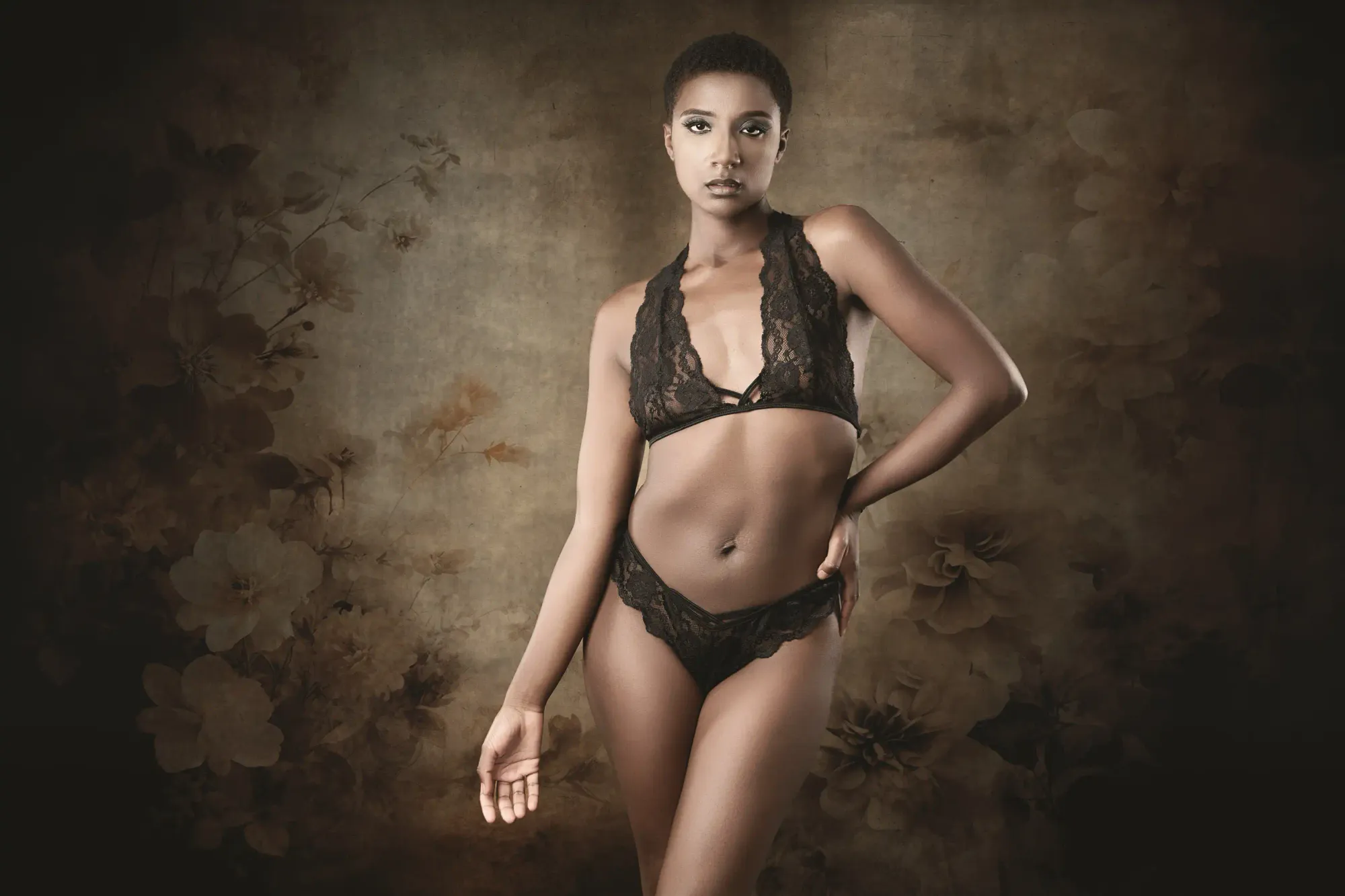
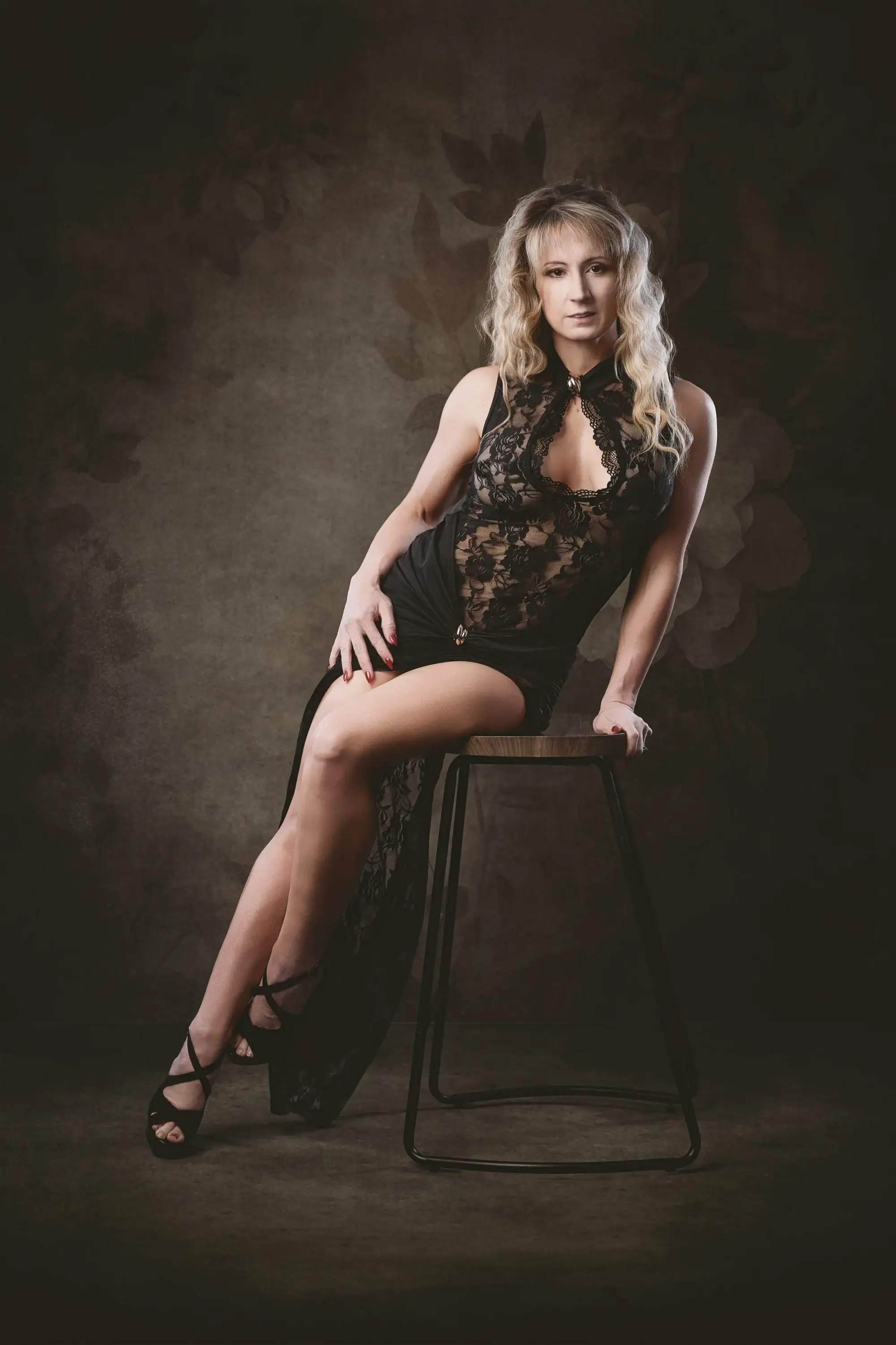
Lighting is one of the most important elements in painterly boudoir photography. Beyond providing exposure, light defines shape, creates dimension, establishes mood, and directs the viewer's attention. In classical portraiture, highlights and shadows are often used to create a sense of physical presence, allowing the subject to appear sculptural against a darker environment. This same approach can be applied to boudoir photography, where the relationship between illuminated skin, shadow, and background becomes a defining part of the composition.
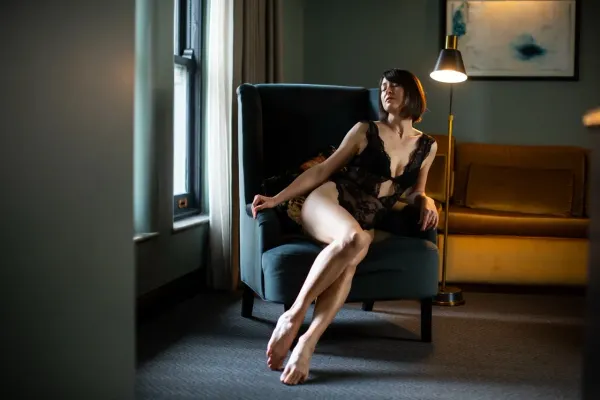
In the Painterly Floral Series, controlled lighting helps separate the subject from the textured floral backgrounds while maintaining a cohesive visual atmosphere. Highlights emphasize the curves and contours of the body, while shadows introduce depth and allow less important details to recede. Rather than revealing every part of the scene equally, the lighting creates a visual hierarchy that guides the viewer through the photograph. A shoulder, back, hip, or hand can become an expressive shape within the composition rather than simply an anatomical feature.
As Tucker explains, "I don't want light simply because I need exposure. I want the light to have a reason for being there." This philosophy encourages photographers to think beyond technical exposure and consider the artistic purpose of illumination. The direction, intensity, and quality of light can dramatically change how a subject interacts with the environment, particularly when working with darker backgrounds and textured surfaces. Understanding this relationship is essential for creating photographs that feel dimensional rather than flat.
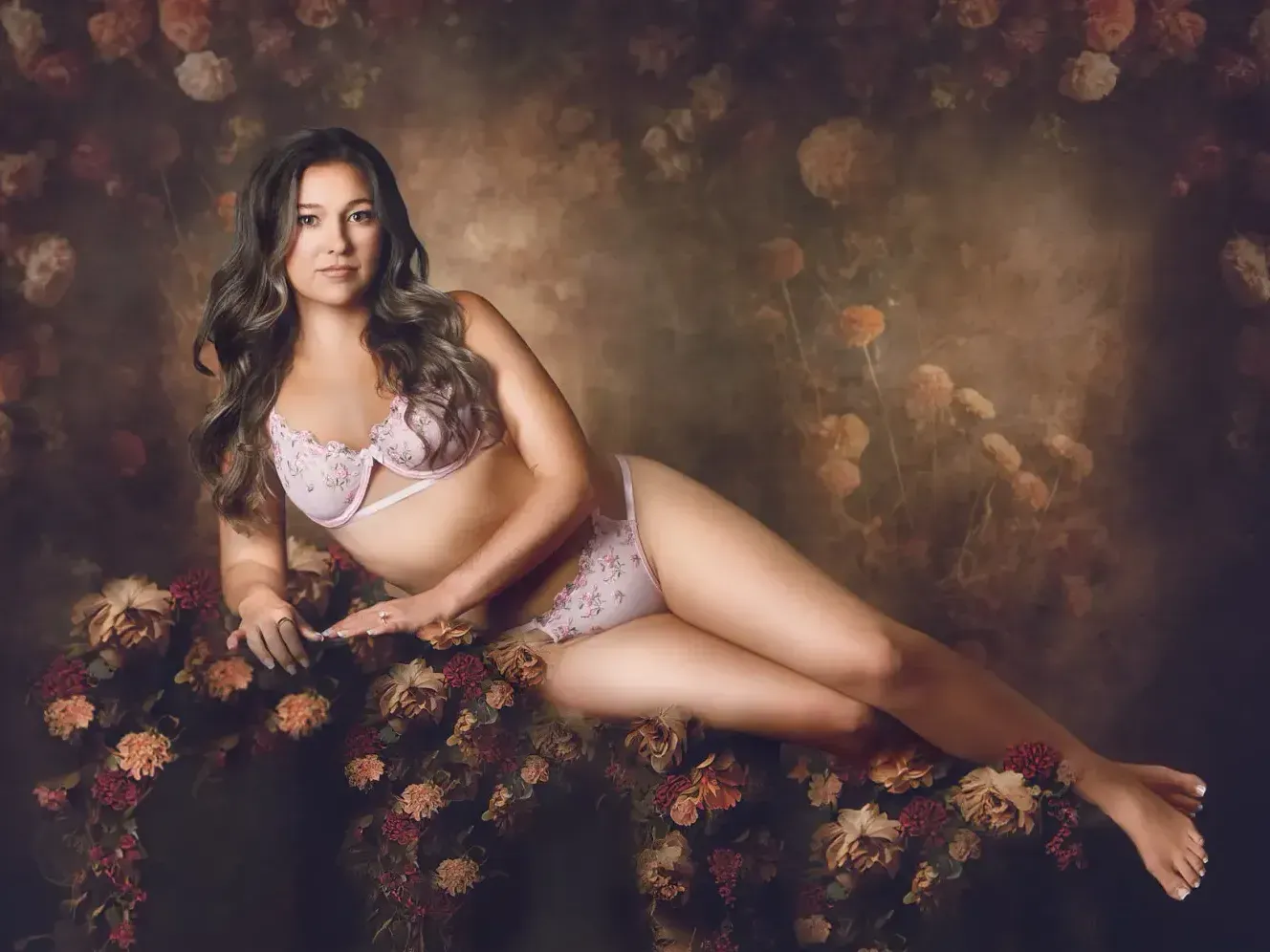
Flowers are often associated with softness, femininity, and romance, but these qualities do not require delicate posing, pastel colors, or bright lighting. The Painterly Floral Series explores a more dimensional interpretation of femininity by combining floral imagery with deep shadows, warm earthy tones, and intentional posing. The resulting portraits maintain a romantic atmosphere while giving the subjects a strong visual presence.
The rich, muted palette of burgundy, brown, antique gold, and subdued floral tones contributes to the series' painterly appearance. These colors introduce warmth and visual depth without overwhelming the subject or distracting from the composition. Combined with carefully directed lighting, they create an atmosphere that feels luxurious, intimate, and reminiscent of traditional fine-art portraiture.
This approach also demonstrates that sensuality does not always depend on revealing more of the body. The relationship between light and shadow, the positioning of the subject, and the overall atmosphere can communicate sensuality through suggestion rather than overt sexuality. For boudoir photographers, it is a reminder that romantic imagery can also feel powerful, dramatic, and visually sophisticated.
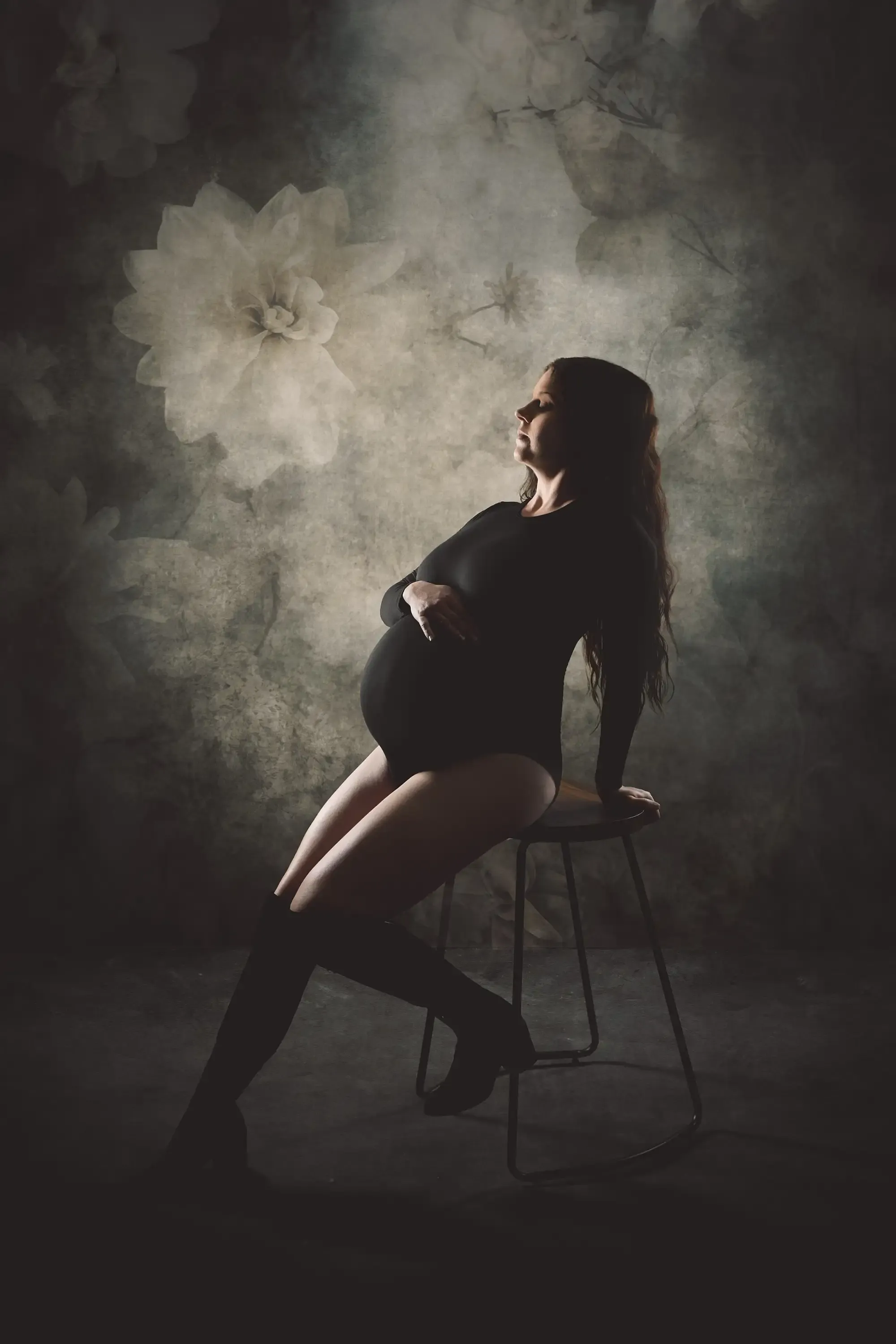
Posing is an essential skill in boudoir photography, but it represents only one part of creating an artistic portrait. A fine-art approach requires photographers to consider the entire frame, including the background, lighting, color relationships, negative space, and placement of every visible element. Rather than concentrating exclusively on flattering angles or familiar poses, the photographer begins to consider how the subject contributes to the larger composition.
In the Painterly Floral Series, the relationship between the subject and the surrounding environment plays an important role in the finished image. The floral backdrop establishes atmosphere, while the lighting and posing create shape and visual direction. When foreground flowers are incorporated, they introduce another compositional layer that must be balanced with the subject. Each element contributes to the overall image, demonstrating how thoughtful coordination can create a more cohesive artistic result.
For photographers interested in developing a more distinctive visual style, this approach encourages greater intentionality during the creative process. Instead of selecting a pose and building everything else around it, begin by considering the desired atmosphere and composition. Think about how the backdrop, wardrobe, lighting, and subject will work together before making the final image. The artistic concept should always support the person being photographed rather than overpower their individuality.
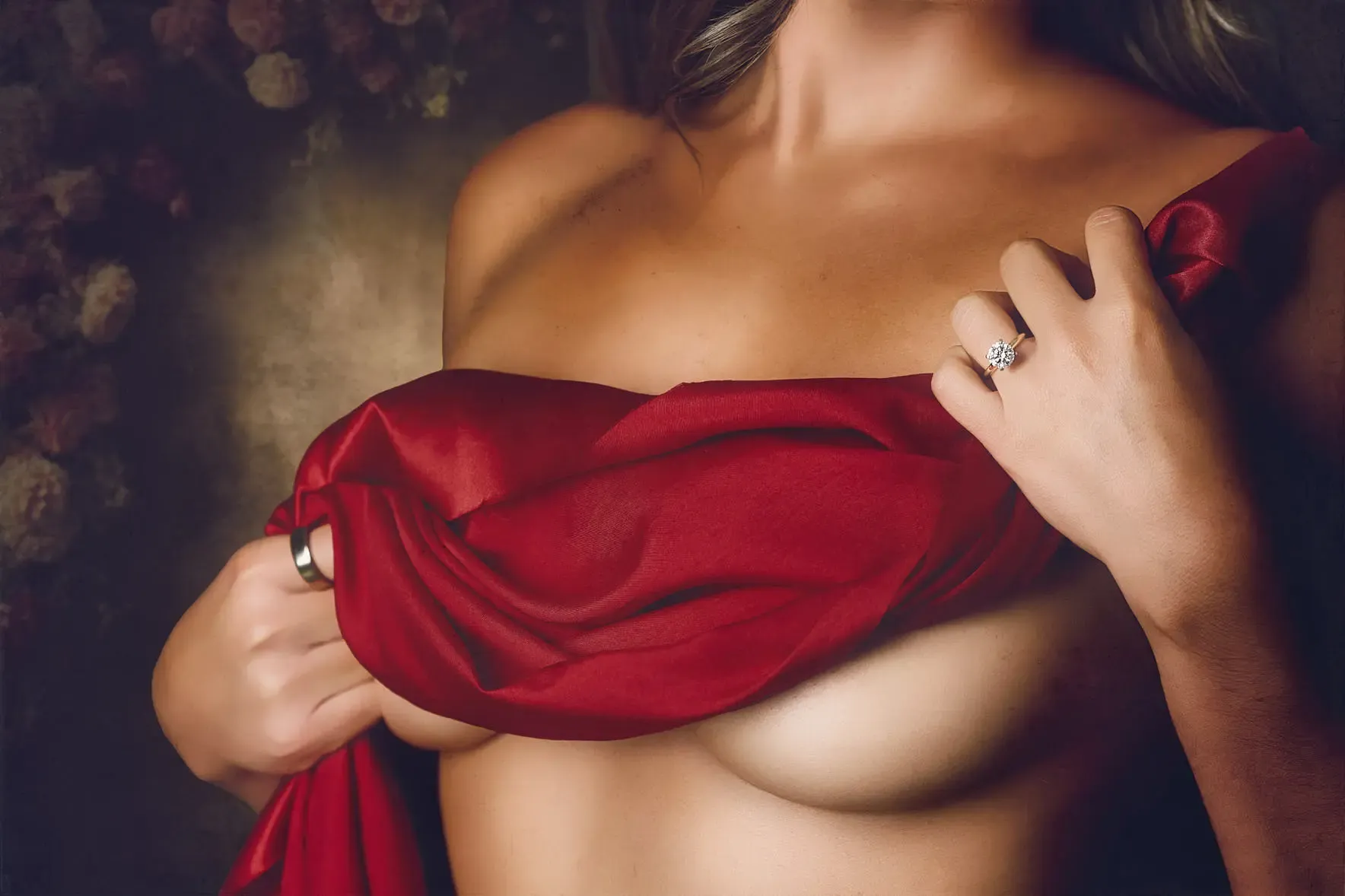
Creating painterly boudoir portraits does not necessarily require elaborate sets or expensive equipment. A thoughtfully selected backdrop, controlled lighting, and an understanding of classical composition can provide the foundation for an artistic photograph. Studying traditional portrait paintings is an excellent starting point, particularly when observing how artists use selective highlights, deep shadows, color harmony, and the positioning of the human form to create depth.
Experiment with floral backdrops featuring muted colors, vintage patterns, or textured surfaces. Consider how their tones interact with the subject's skin, wardrobe, and surrounding environment. A darker backdrop combined with carefully directed light can help create separation and dimension while maintaining a cohesive atmosphere. If the composition benefits from additional depth, introduce physical flowers into the foreground, paying attention to their placement, color, and relationship to the subject.
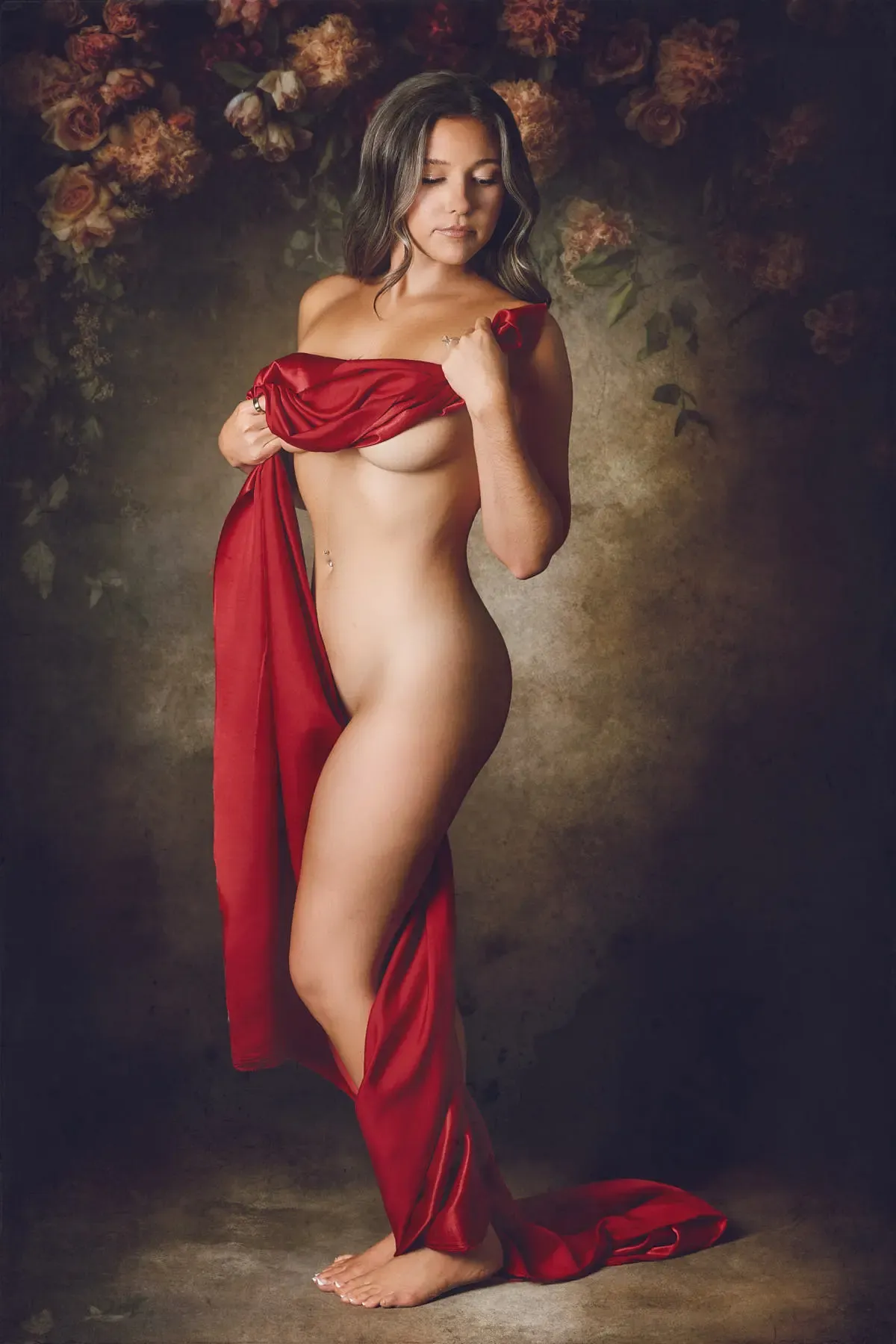
Rather than photographing numerous poses in rapid succession, challenge yourself to create one carefully considered composition. Small adjustments to the subject's hands, shoulders, head position, or body angle can significantly change the visual balance. Observe how the direction of light affects the relationship between the subject and the backdrop, and how subtle changes in positioning can strengthen the overall image. Slowing down the process allows photographers to make more deliberate artistic decisions and develop a deeper understanding of composition.
The purpose of exploring another photographer's creative approach is not to reproduce their photographs, but to understand the artistic principles behind them. Painterly photography is not defined by a particular backdrop, lighting setup, or editing style. It is an approach to image-making that emphasizes intentional choices, visual harmony, and the relationship between light, color, texture, and the human form.
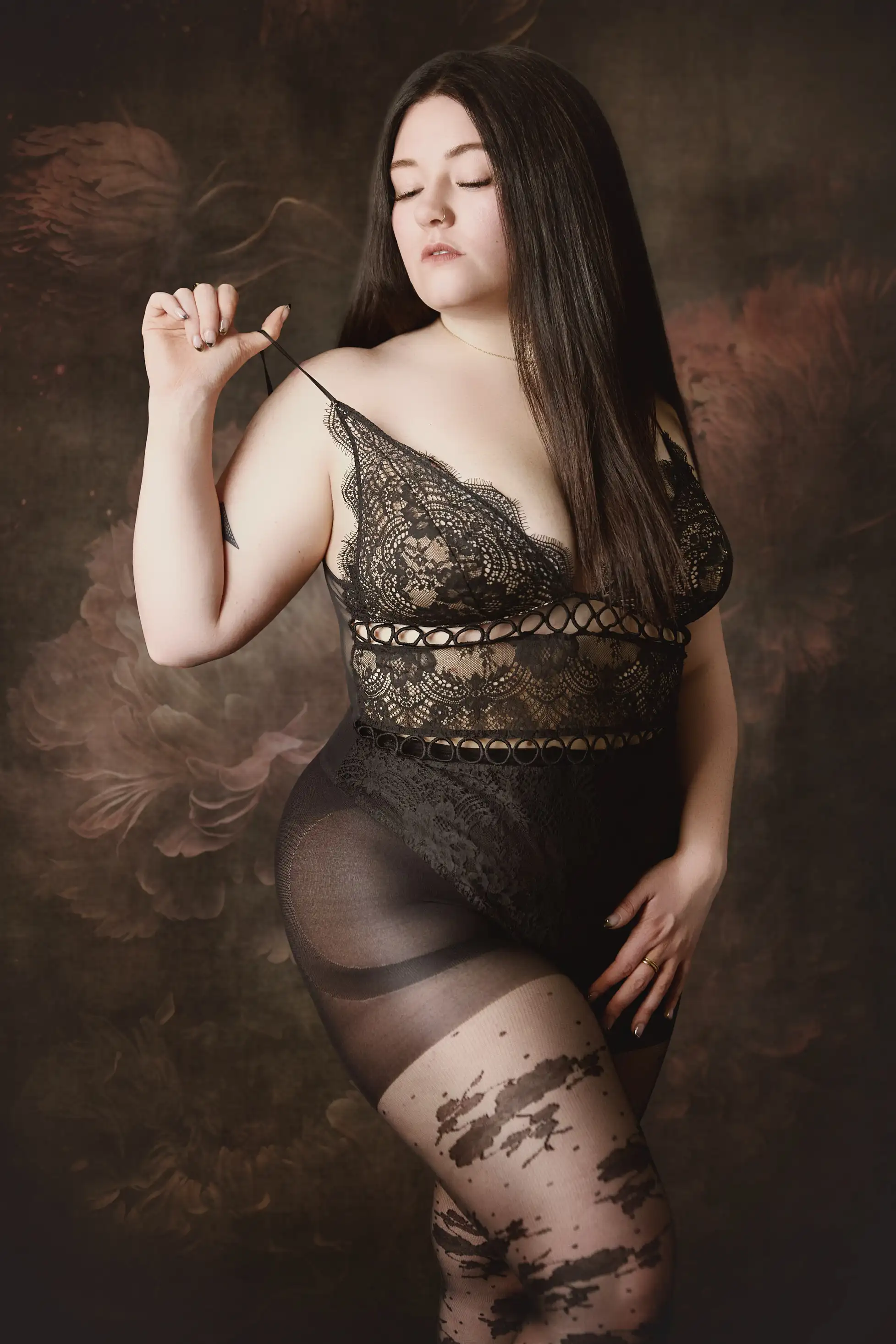
The Painterly Floral Series demonstrates how boudoir photography can draw from the traditions of classical portraiture while maintaining its own contemporary identity. Through floral imagery, controlled lighting, rich tonal relationships, and sculptural posing, the series explores the artistic possibilities of the human form within a carefully constructed environment. The photographs celebrate the subject while also inviting viewers to appreciate the composition as a complete visual work.
Boudoir photography does not need to follow a single aesthetic or creative formula. Some photographers prefer bright, natural portraits, while others are drawn to dramatic shadows, cinematic environments, minimal compositions, or painterly imagery. Each approach offers opportunities for artistic development, and exploring influences outside traditional boudoir photography can help photographers discover new ways of seeing and creating.
Ultimately, the most valuable lesson from the Painterly Floral Series is the importance of intentionality. Every decision, from the selection of a backdrop to the direction of light and placement of the subject, contributes to the final photograph. By approaching the entire frame as a work of art, boudoir photographers can expand their creative possibilities and develop images that reflect their own artistic vision.
Aleigha Tucker is the photographer behind the Painterly Floral Series and founder of IronVeil Boudoir, a private luxury boudoir studio near Charlotte, North Carolina. Her work combines elements of fine-art portraiture, editorial photography, and boudoir, with an emphasis on dramatic lighting, sculptural posing, rich textures, and intentional composition. Her artistic approach focuses on creating visually distinctive portraits while honoring the individuality of each person she photographs.

Get The Complete Boudoir Photography System That Guarantees You the Skills to Make Money