Why Do Boudoir Photographers Struggle With Couples Sessions?
What Makes Couples Boudoir So Challenging?

– 9 min read


What Makes Couples Boudoir So Challenging?
The technical challenges, personal discomfort, and relationship beliefs that can make couples boudoir difficult to photograph and sell.
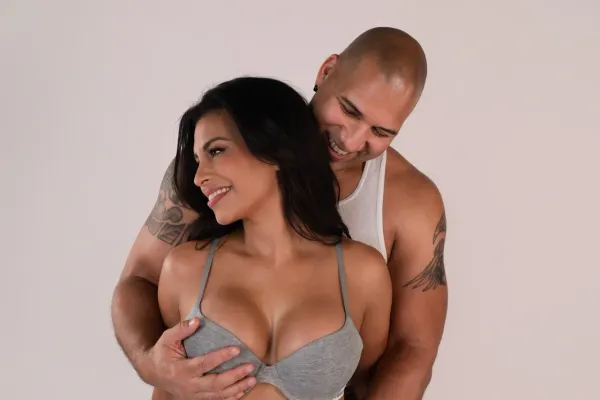
Couples boudoir photography is one of the most challenging genres of portrait photography, yet many photographers assume that if they can photograph one person, photographing two should be just as easy. In reality, couples boudoir requires an entirely different combination of technical skills, emotional awareness, confidence, and communication. You're no longer working with one body, one personality, or one set of expectations. You're photographing two people and the relationship between them, which introduces challenges that even experienced boudoir photographers may not be prepared to handle.
Over the years, I've noticed that photographers struggle with couples boudoir for reasons that go far beyond lighting and posing. Some become uncomfortable directing intimacy, others don't know how to manage two people simultaneously, and some struggle to understand the emotional motivations behind a couple's decision to book. There are also challenges that photographers rarely discuss publicly, including how their own attitudes toward relationships and intimacy can influence their confidence, communication, and even their ability to sell couples sessions.
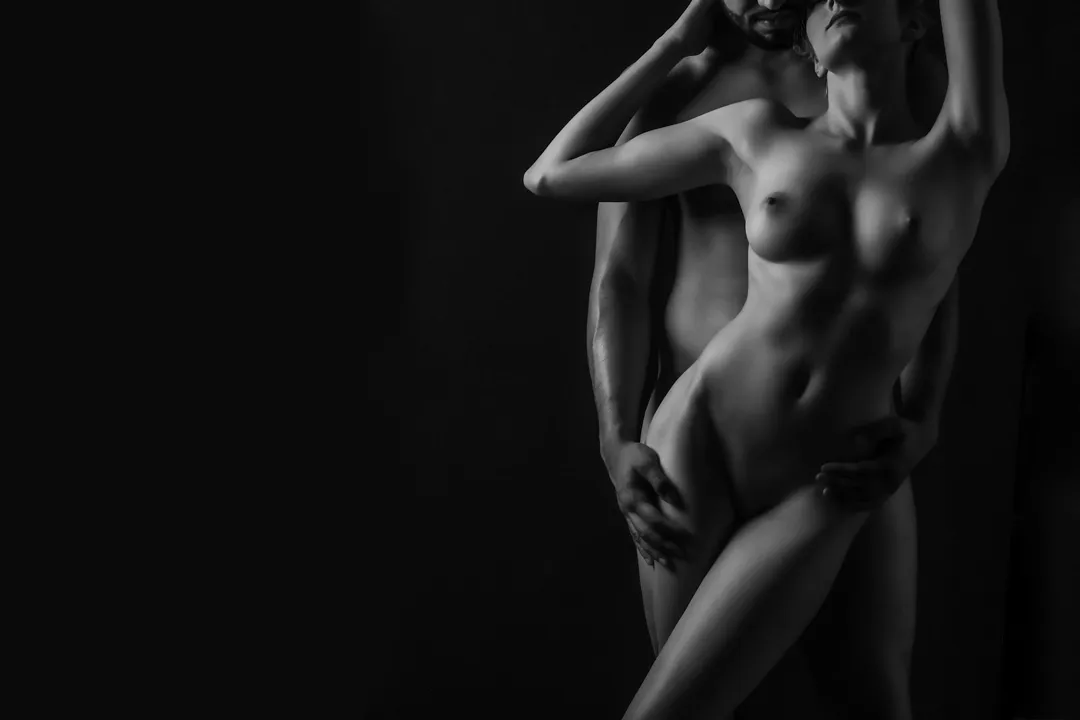
One of the biggest technical challenges in couples boudoir photography is posing two people simultaneously. When photographing an individual, you can concentrate on one body, one expression, and one relationship with the camera. With couples, every adjustment affects the other person. Changing one partner's shoulder position may block the other's face, moving an arm may create an awkward intersection, and a pose that flatters one body may be completely unflattering for the other. The photographer must coordinate two bodies while making the interaction appear natural and effortless.
Lighting presents another major challenge because two people rarely occupy the same position or respond to light in exactly the same way. Different heights, body shapes, skin tones, and movements can create uneven illumination, unwanted shadows, and difficult compositions. As couples embrace, lean toward each other, or change positions, the lighting relationship changes continuously. Photographers must understand how to control light across two subjects without constantly stopping the session to make technical corrections. This requires advanced lighting knowledge, experience, and the ability to anticipate movement.
The challenge becomes even greater when posing and lighting must happen simultaneously. A photographer may create a beautiful composition but struggle to maintain flattering light on both faces, or achieve perfect lighting while the couple looks uncomfortable and disconnected. Technical skills must become second nature so the photographer can concentrate on the interaction between the partners. This is why couples boudoir cannot be mastered simply by memorizing a few poses or copying images from Pinterest. It requires hands-on practice, observation, and a strong understanding of how two people interact within the same frame.
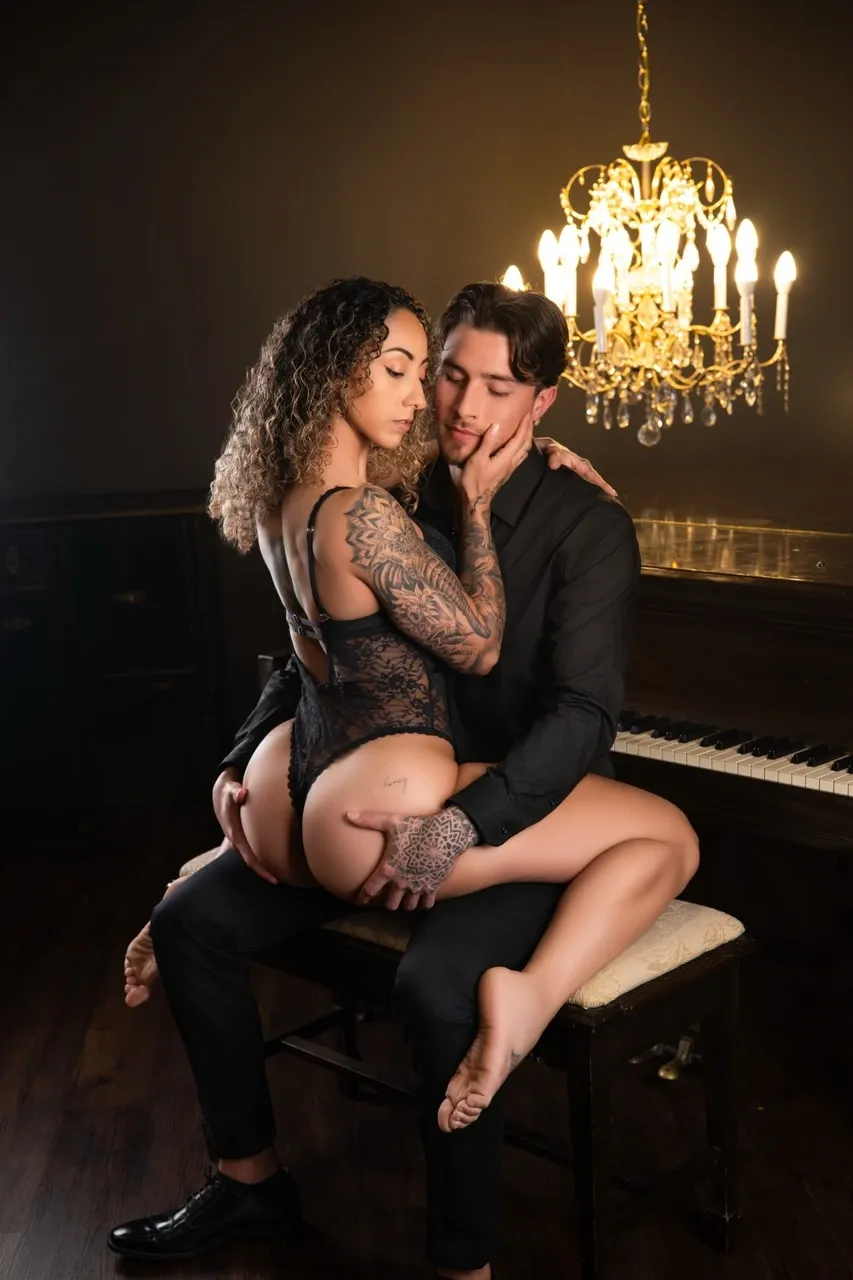
One of the most overlooked reasons couples boudoir sessions fail is that the photographer becomes uncomfortable before the couple does. Some photographers are perfectly confident photographing individual boudoir or nude portraits but become nervous when two people begin expressing romantic or sensual affection together. Their body language changes, their instructions become hesitant, and they may begin laughing nervously or interrupting moments because they don't know how to respond. Couples quickly notice this behavior, and what could have been a natural interaction suddenly becomes awkward.
A photographer's confidence plays a major role in creating a comfortable environment. Couples need to feel that the person behind the camera knows what they're doing and is comfortable with the type of photography being created. If the photographer appears embarrassed or judgmental, clients may begin questioning their own behavior. They may hold back, avoid expressing affection, or become overly concerned about what the photographer thinks. Instead of focusing on each other, they start performing for the camera, and the emotional connection disappears.
Confidence doesn't mean encouraging couples to do things outside their comfort zones or pretending that boundaries don't exist. It means being able to discuss intimacy professionally, give clear directions, recognize discomfort, and maintain a respectful atmosphere throughout the session. Photographers who want to work successfully with couples must become comfortable with the subject matter themselves. This requires education, experience, and an open-minded approach to different personalities, relationships, and expressions of affection.
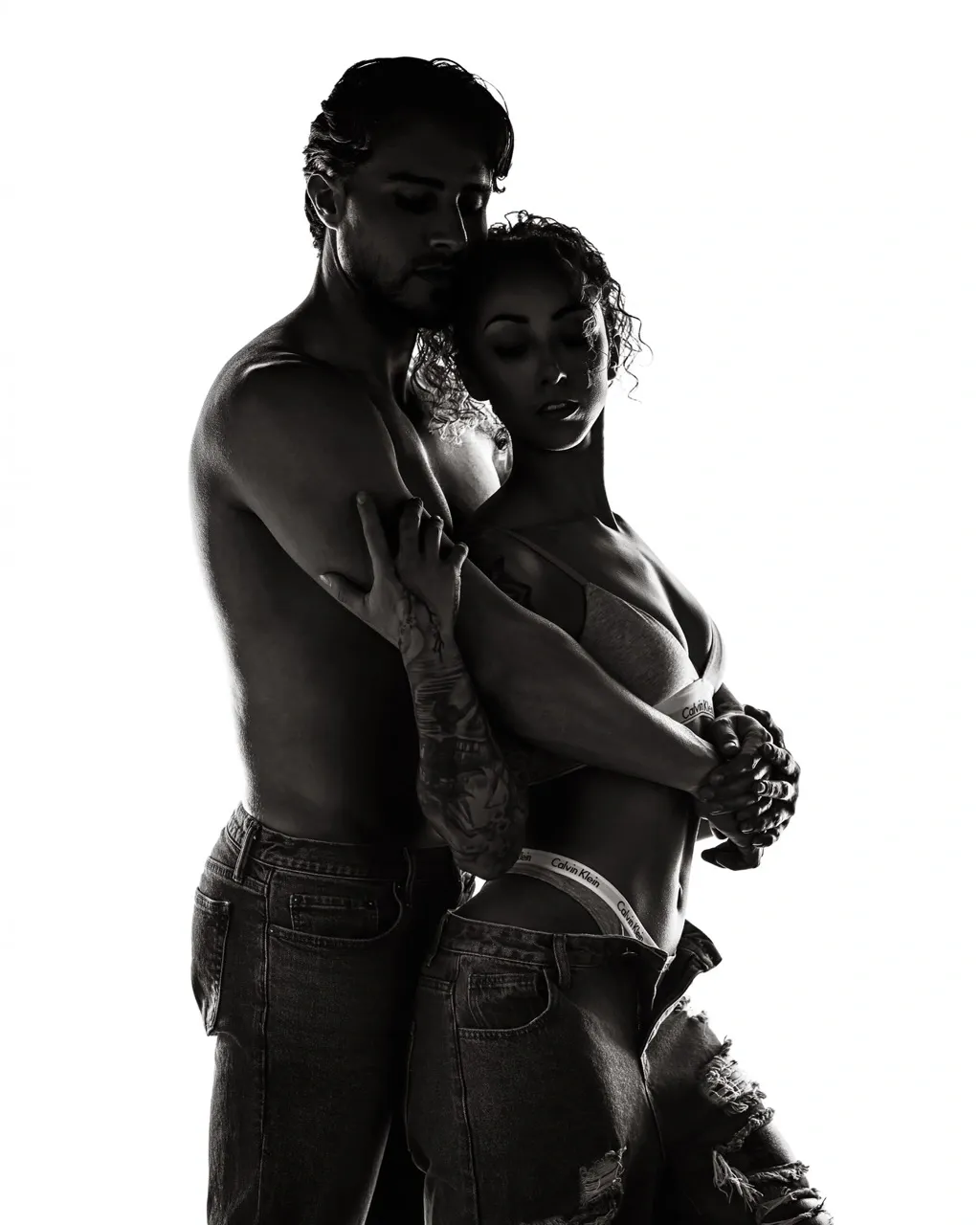
Another reason photographers struggle is their dependence on predetermined posing routines. Learning poses is important, but couples boudoir requires much more than placing two people into attractive positions. Every relationship has its own personality, and couples express affection differently. Some are playful and constantly teasing each other, while others are quiet, romantic, or more reserved. Some enjoy dramatic, sensual photographs, while others prefer natural interactions and emotional connection. Applying the same posing sequence to every couple can produce technically acceptable photographs that fail to represent the people being photographed.
A successful couples boudoir photographer must learn to recognize these differences and adjust the direction accordingly. Rather than simply instructing partners where to place their hands or how to turn their faces, the photographer should understand what type of interaction will produce the desired emotion. This requires asking questions before the session, observing the couple's natural behavior, and knowing when to provide direction and when to allow a moment to develop. The goal is to create photographs that feel authentic to the couple rather than forcing them to imitate someone else's relationship.
This is one of the skills that separates experienced couples boudoir photographers from those who are just beginning to explore the genre. Technical posing knowledge can be learned through education, but the ability to read people and guide their interactions develops through continued practice. Photographers must be willing to experiment, make mistakes, and approach every couple with curiosity rather than assuming that one method will work for everyone.
Here is something photographers and studio owners rarely discuss openly: your personal attitude toward relationships can influence your ability to photograph, promote, and sell couples boudoir experiences. I believe that before trying to help other couples celebrate their relationships, we should examine our own beliefs about love, intimacy, trust, and partnership. If someone consistently approaches relationships with negativity, judgment, or discomfort, those attitudes may influence how they communicate with clients and how comfortable they feel directing intimate moments. A photographer who struggles to appreciate emotional connection may have difficulty creating an environment that encourages couples to express it.
I often say that you should fix your own house before trying to help someone else build theirs. This doesn't mean photographers must have perfect marriages or relationships, because nobody does. It means we should be aware of our own frustrations, insecurities, and beliefs rather than projecting them onto clients. Couples boudoir requires an open mind and a genuine respect for different relationships. A photographer's personal experiences should not determine how clients are treated or what type of connection they are allowed to celebrate in front of the camera.
Photographers don't need to share their clients' lifestyles or personal preferences, but they must be able to approach different relationships without judgment. Some couples are deeply romantic, others are adventurous, and some express affection in ways that may be unfamiliar to the photographer. The ability to remain professional, confident, and respectful is essential. When personal discomfort becomes visible during the session, it can affect the atmosphere and prevent couples from relaxing.
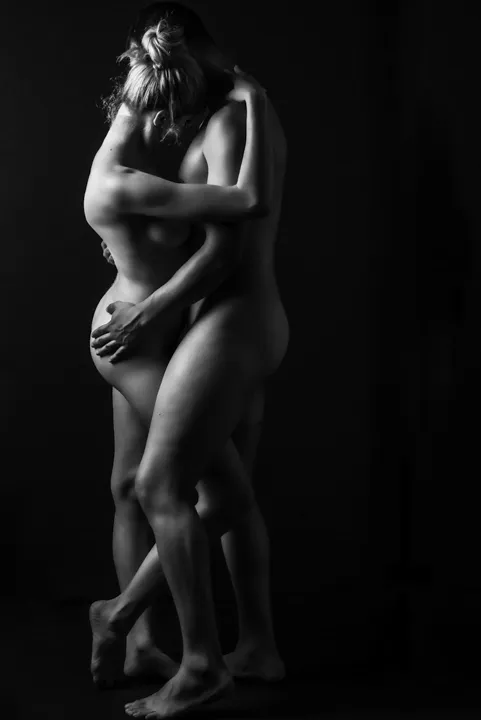
The same challenges can appear before the couple ever enters the studio. A booking specialist who doesn't believe in the value of romantic experiences or feels uncomfortable discussing intimacy may struggle to communicate why couples boudoir is worth booking. I've noticed that when someone doesn't genuinely believe in the experience they're offering, that hesitation can become apparent during conversations with potential clients. They may avoid discussing the emotional benefits, struggle to answer questions confidently, or fail to create excitement around the experience.
This is especially important because couples boudoir is not simply a photography service that people purchase for practical reasons. Clients are often investing in an emotional experience, a celebration, or an opportunity to do something different together. A booker who focuses only on the session length, clothing options, and package prices may miss the very reason the couple is interested. Understanding the emotional value of the experience allows the booking specialist to communicate more naturally and connect with the couple's motivation.
Personal relationship difficulties do not automatically make someone unsuccessful at booking couples sessions. However, persistent negativity toward relationships, discomfort discussing intimacy, or an inability to separate personal beliefs from professional conversations can create obstacles. Studio owners should train their teams to understand the experience, communicate its value confidently, and approach every couple without judgment. The goal is not to hire people with perfect personal lives but to develop a team that genuinely understands and respects the service being offered.
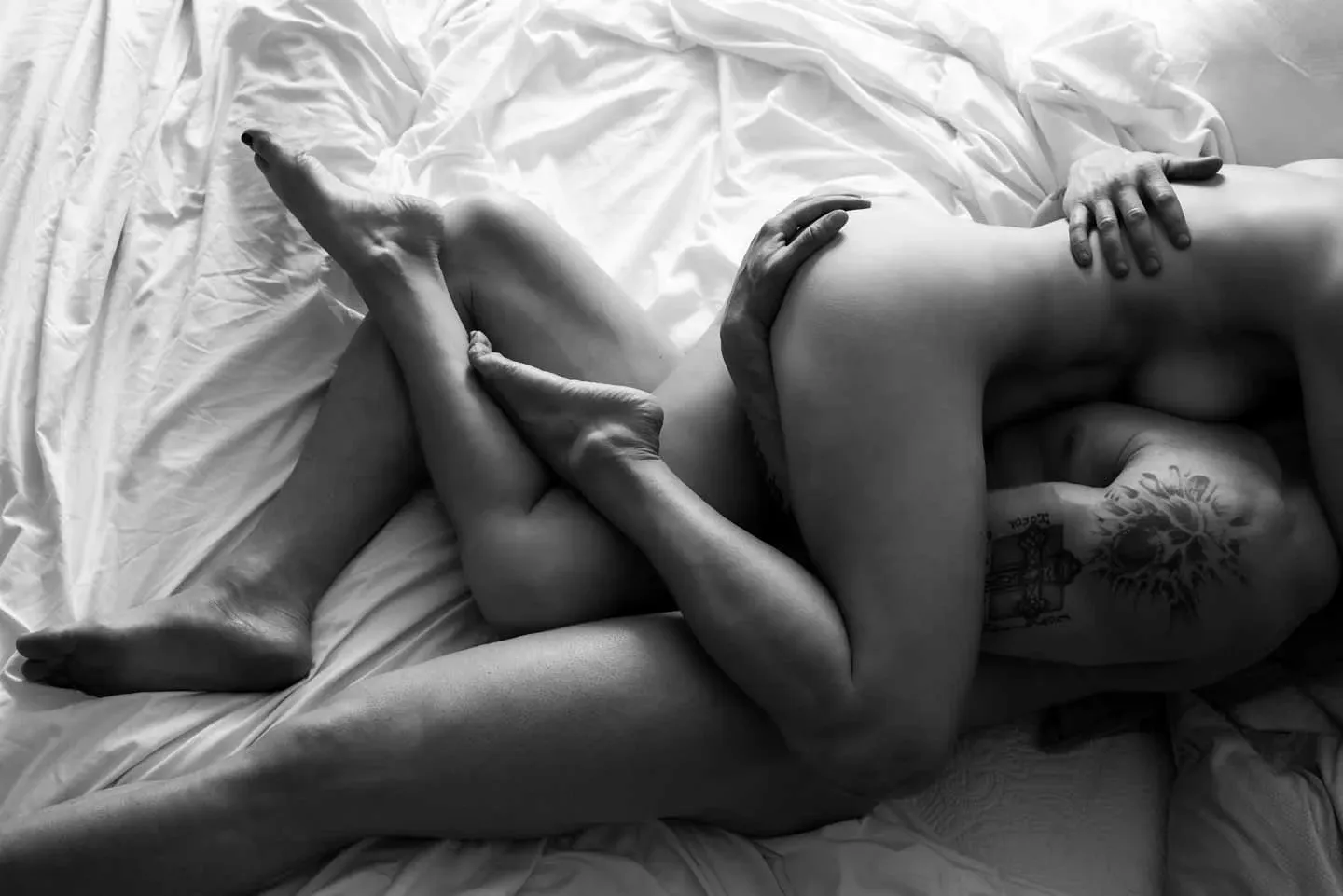
One of the biggest mistakes photographers make is assuming that every couple books boudoir photography for the same reason. In reality, motivations can be completely different. Some couples want to celebrate an anniversary, engagement, or special milestone, while others are looking for intimacy, adventure, fun, romance, or something a little naughty. Some want glamorous photographs that make them feel like movie stars, and others want to capture the natural connection they share. Understanding these differences is essential because the photographer's job is not simply to produce attractive images but to deliver an experience that matches the couple's expectations.
A couple looking for a playful, adventurous experience may not enjoy being directed through an overly serious romantic session. Likewise, a couple hoping for emotional connection may feel uncomfortable if the photographer constantly encourages provocative poses. This is why the consultation process matters so much. Photographers should ask what inspired the couple to book, what they hope to experience, and which photographic styles interest them. Those conversations help establish expectations and give the photographer a clearer understanding of how to direct the session.
The ability to translate a couple's motivation into posing, lighting, expressions, and atmosphere is an advanced skill. It requires technical knowledge, emotional intelligence, communication, and a willingness to adapt. Photographers who approach every couple with the same formula may create consistent images, but they risk delivering inconsistent experiences. The most successful couples boudoir photographers understand that the people in front of the camera are more important than the posing routine behind it.
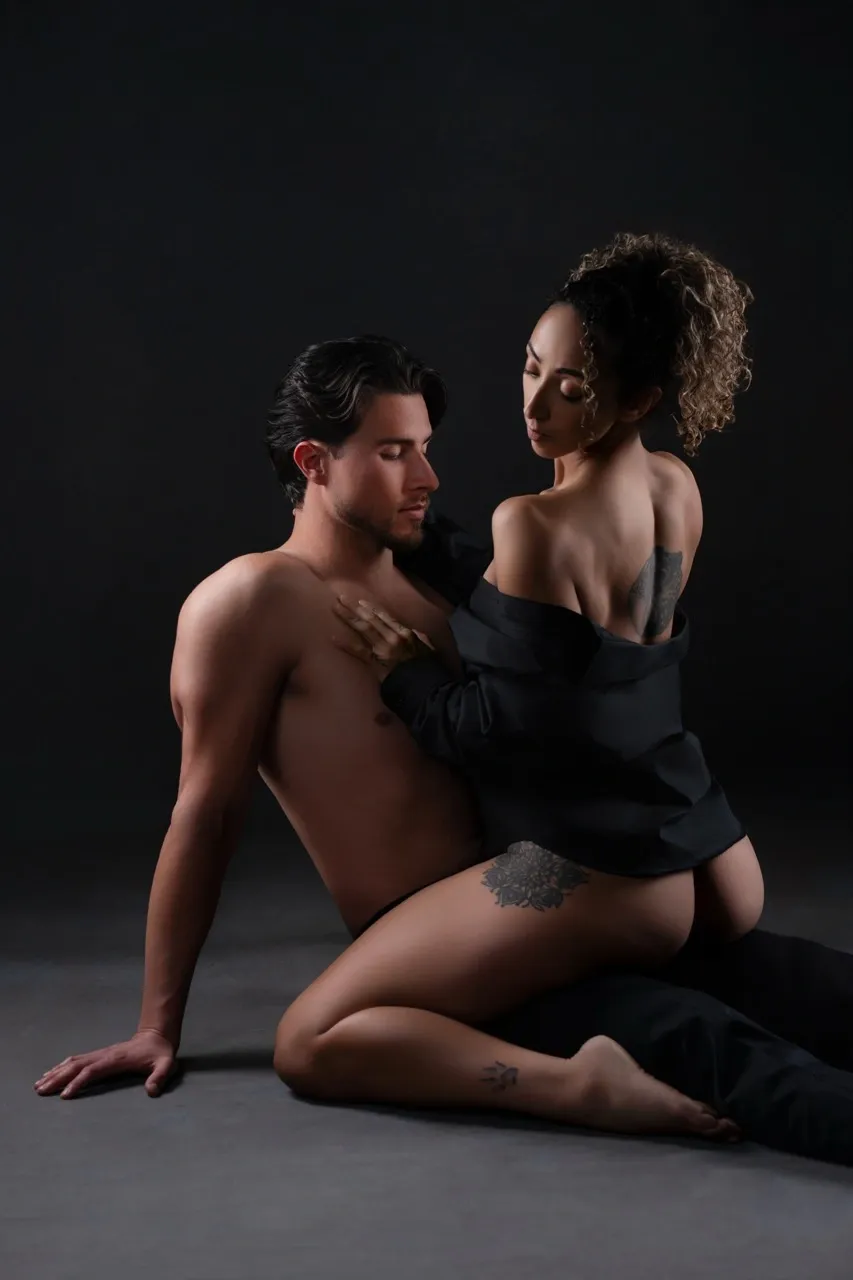
Absolutely, but it requires more than watching a few tutorials or memorizing a collection of poses. Photographers must develop the ability to manage two subjects simultaneously, understand how lighting changes when bodies interact, communicate confidently during intimate moments, and recognize the emotional dynamics between partners. They must also learn how to create a private, respectful environment where couples feel comfortable expressing themselves. These skills improve through education, observation, practice, and experience with different types of couples.
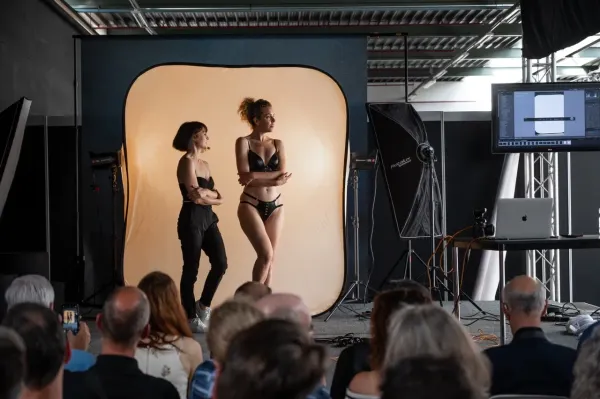
One of the best ways to develop these abilities is to study real couples sessions rather than only looking at finished photographs. Behind-the-scenes footage reveals how photographers communicate, correct poses, adjust lighting, handle awkward moments, and transition between different styles. It also demonstrates that beautiful couples boudoir photographs rarely happen by accident. They are usually the result of thoughtful preparation, technical knowledge, and confident direction.
For photographers interested in developing a more structured approach, I've also created a guide to the six stages of couples boudoir photography, explaining how to take couples from casual portraits through glamorous, playful, intimate, and erotic photography before finishing with an artistic cooldown. Understanding that progression can help photographers create a more complete and comfortable experience while adapting to each couple's individual preferences.
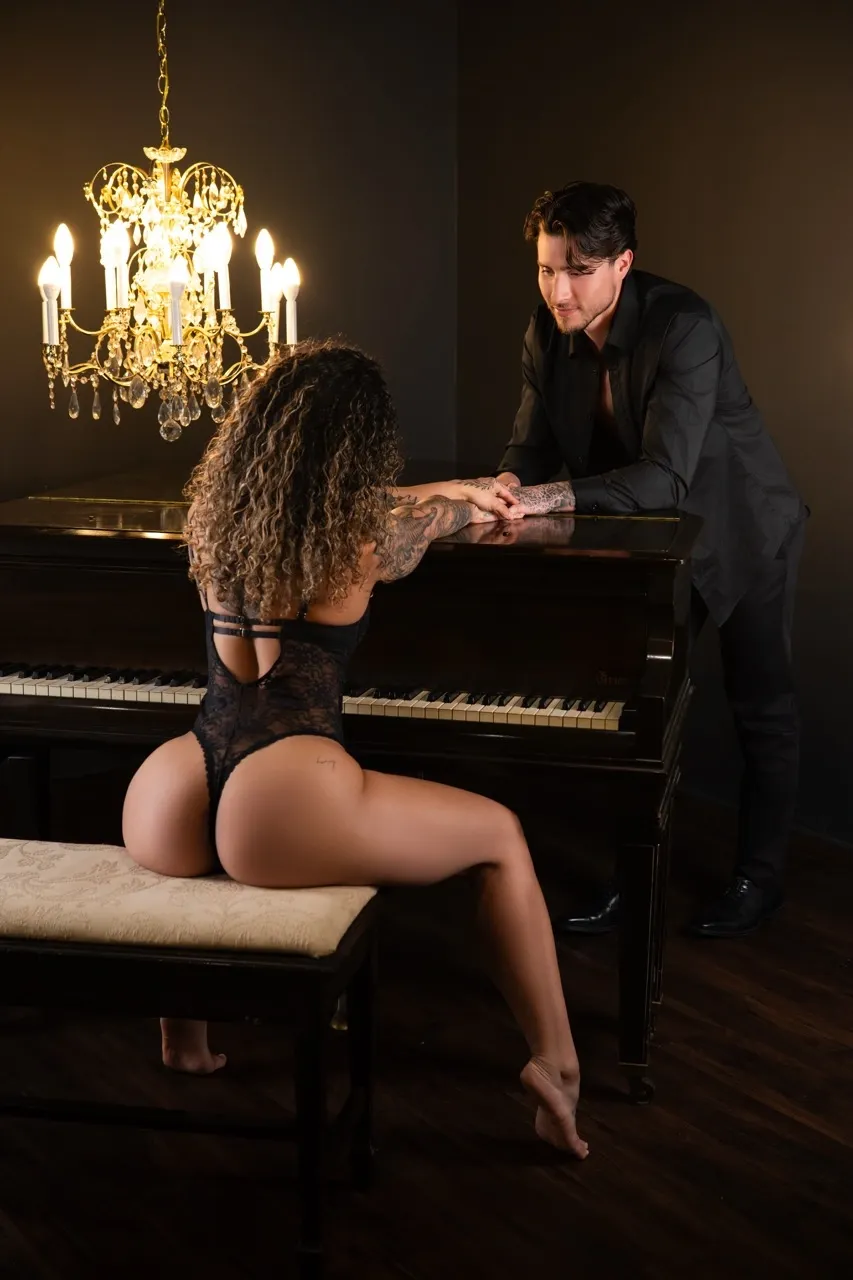
Couples boudoir photography challenges photographers in ways that traditional portrait photography often doesn't. It tests technical knowledge, communication, confidence, emotional awareness, and the ability to understand people. A photographer may have excellent equipment, beautiful studio sets, and years of experience photographing individuals, yet still struggle to create natural chemistry between two people. The difference often comes down to preparation, practice, and the willingness to develop skills beyond traditional posing and lighting.
Before offering couples boudoir sessions, photographers should honestly evaluate their comfort level, technical abilities, and approach to relationships. Are you comfortable directing intimacy without becoming embarrassed? Can you light and pose two people simultaneously? Do you understand how to recognize different relationship dynamics and adjust your direction? Most importantly, can you create an experience that reflects what the couple actually wants rather than simply reproducing images from your portfolio?
So here's my question to fellow boudoir photographers: What is your biggest challenge when photographing couples: posing, lighting, directing intimacy, or understanding the couple's chemistry?

Get The Complete Boudoir Photography System That Guarantees You the Skills to Make Money